
When to Visit the Kruger National Park
When to Visit the Kruger National Park

We believe there is no bad time to visit the Kruger National Park. Each season has its own merits and beauty. We would love it if you could experience Kruger in both the green and dry seasons. However, understanding the seasons and the South African school holidays will help you to better decide when to visit the Kruger with Kitted Africa.
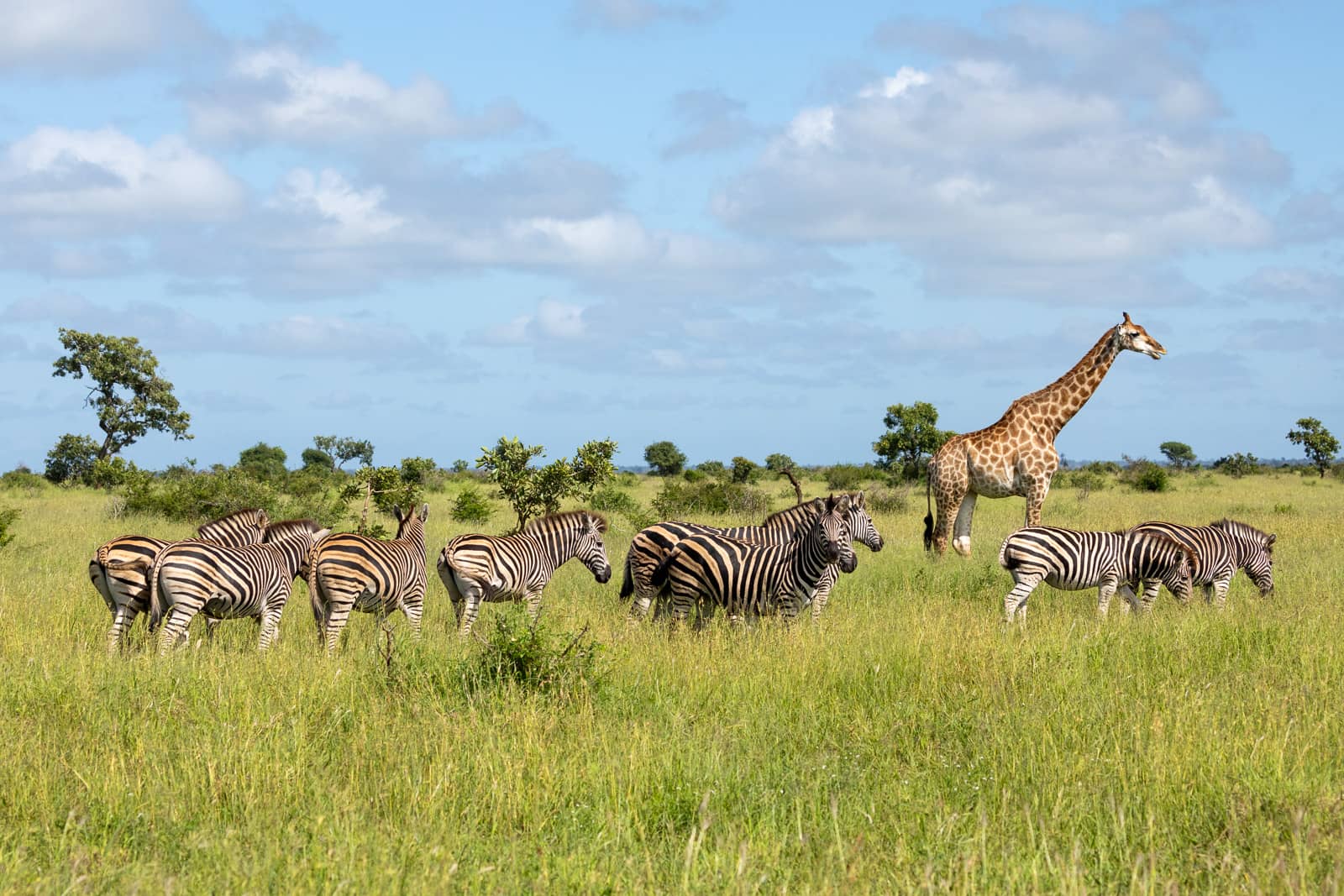
Summer: November to February
The summer season in Kruger is lush and vibrant, with beautiful green landscapes and an abundance of wildlife and birdlife. It is when the park feels alive and vibrant. The summer months also offer incredible birdwatching opportunities as migratory birds arrive.
Summer in Kruger is also the wetter period with afternoon showers, yet there are plenty of days of sunshine and no rain. Due to the rain, waterholes are abrim, and the rivers are flowing, painting a beautiful picture. It is also the hottest time with high humidity; nothing a shady tree or a cool drink cannot fix! Remember that our cars come standard with a fridge so you will always have something cool on hand.
The summer season is also the quieter time on the Kruger campsites. But keep in mind that December is also the festive season, and South African school holidays start mid-December to the 2nd week of January, so book early to avoid disappointment. November, the beginning of December, and mid-January to the end of February are the quieter summer months.
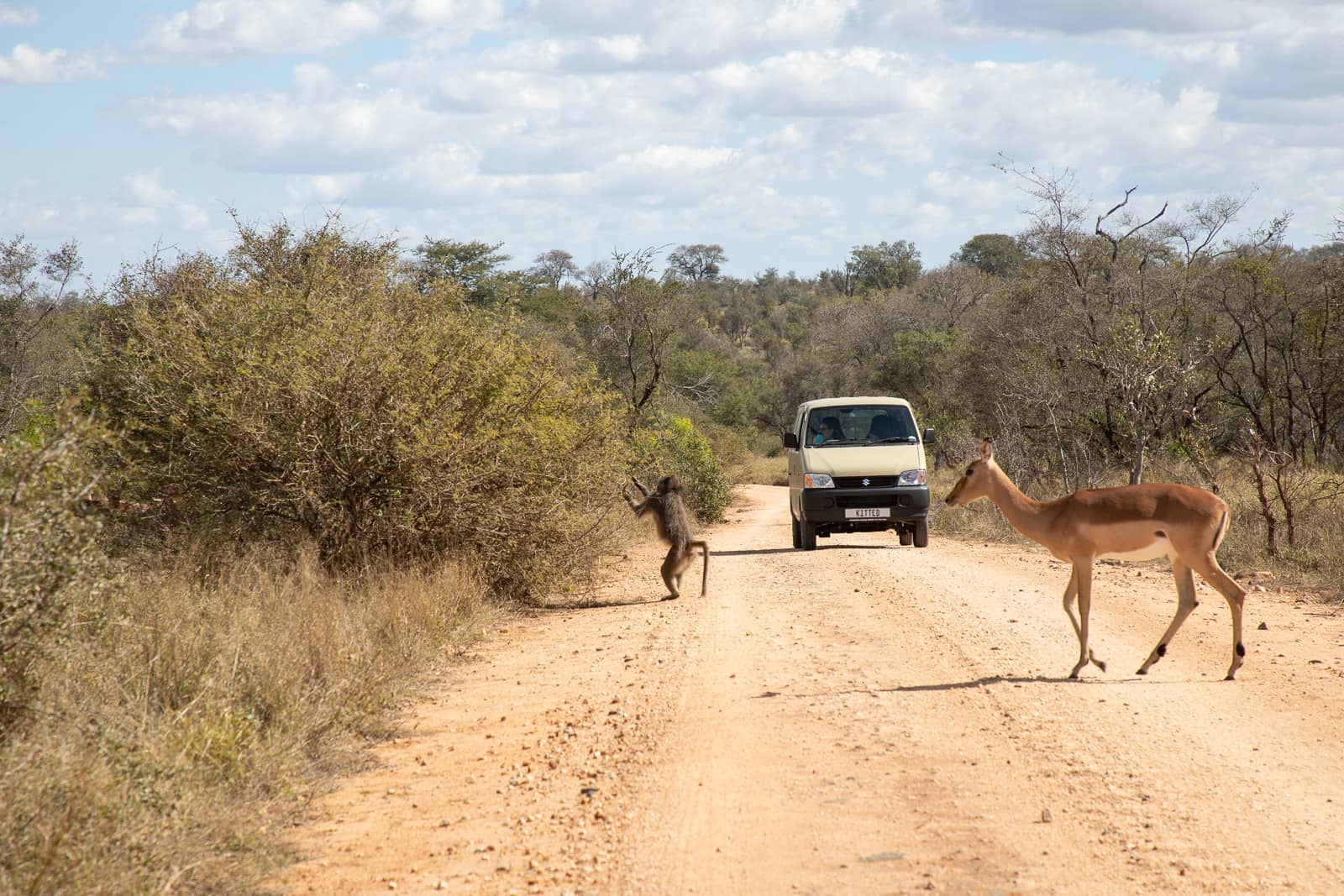
Autumn: March to May
Autumn in Kruger brings cooler temperatures and less rain. The bushveld foliage begins to thin out, making wildlife slightly easier to spot. Migratory birds have also started to leave. Temperatures are mild; the days are warm, and the evenings start to cool. Keep in mind the South African Easter holidays which tend to be a busy period in the park.

Winter: June to August
Winter in Kruger offers clear skies and dry conditions. The drier conditions result in better wildlife sightings due to the reduced foliage and tall grass. The winter months are also the peak safari season as it not only allows for better game viewing, but the daytime temperatures are very mild and the nights and mornings cool. Predators also tend to be active for longer. The South African school holidays during July might increase visitor numbers, so plan and book in advance.
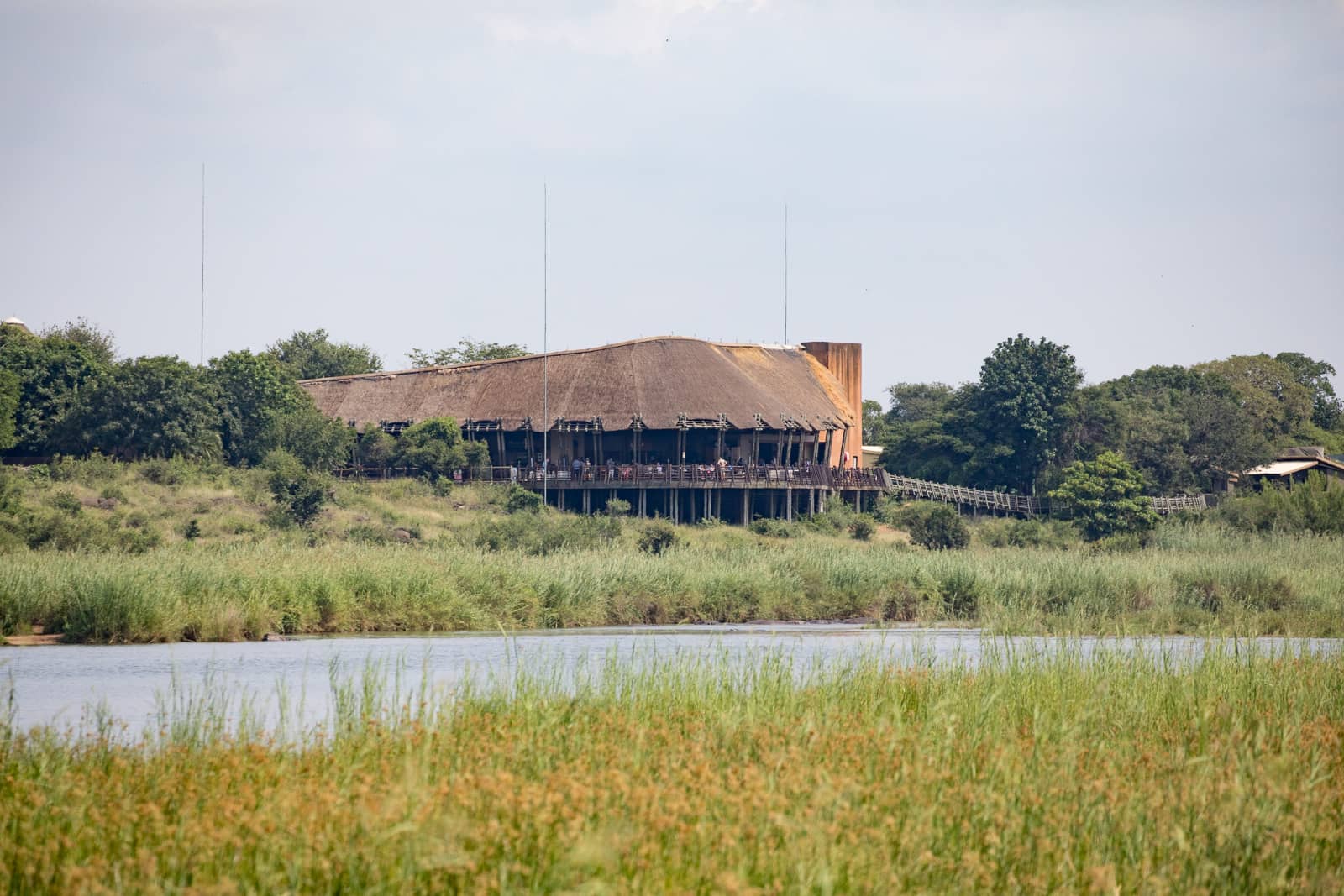
Spring: September to October
The seasons start to change as spring marks the end of the dry season. Trees start to flower and the vegetation slowly starts to turn green again. The start of spring is exceptional for game-viewing as the foliage and bush are still less thick and dense, while temperatures are mild and beautiful and there aren’t too many rainy days. It is also when the birds start to build nests and advertise their presence. It’s a feast for the senses as everything feels like its coming alive after a long dry season. There is only one short South African school holiday at the start of October.

What about the crowds?
We have written a blog about the popularity and what you can expect from the Kruger National Park in terms of the crowds and wildlife sightings. Read it here.
In conclusion:
The best time to visit the Kruger National Park depends on your preferences and schedule. We stick to the fact that the Kruger never has a bad season. Each season has its unique beauty and advantages. In saying that, the winter months are the more popular safari season for a reason, but we have had equally good (if not better) sightings and experiences in all of the other seasons. The animals and sightings are there for 12 months of the year. 😉 So stop hesitating and book a fully kitted car for the best Kruger camping experience.