
Get to know the Kruger’s Big Five
Get to know the Kruger’s Big Five

The Kruger National Park is South Africa’s flagship game reserve that attracts visitors from around the world to not only enjoy its beauty but also to search for Africa’s iconic Big Five. The term “Big Five” was coined by hunters of yesteryears to identify the most dangerous animals to hunt on foot. Today, however, these majestic creatures are the most sought-after stars of any Kruger holiday. In this blog, we will look at the Big Five and their habits, and habitats and share a few beautiful images captured by the team at Kitted Africa.
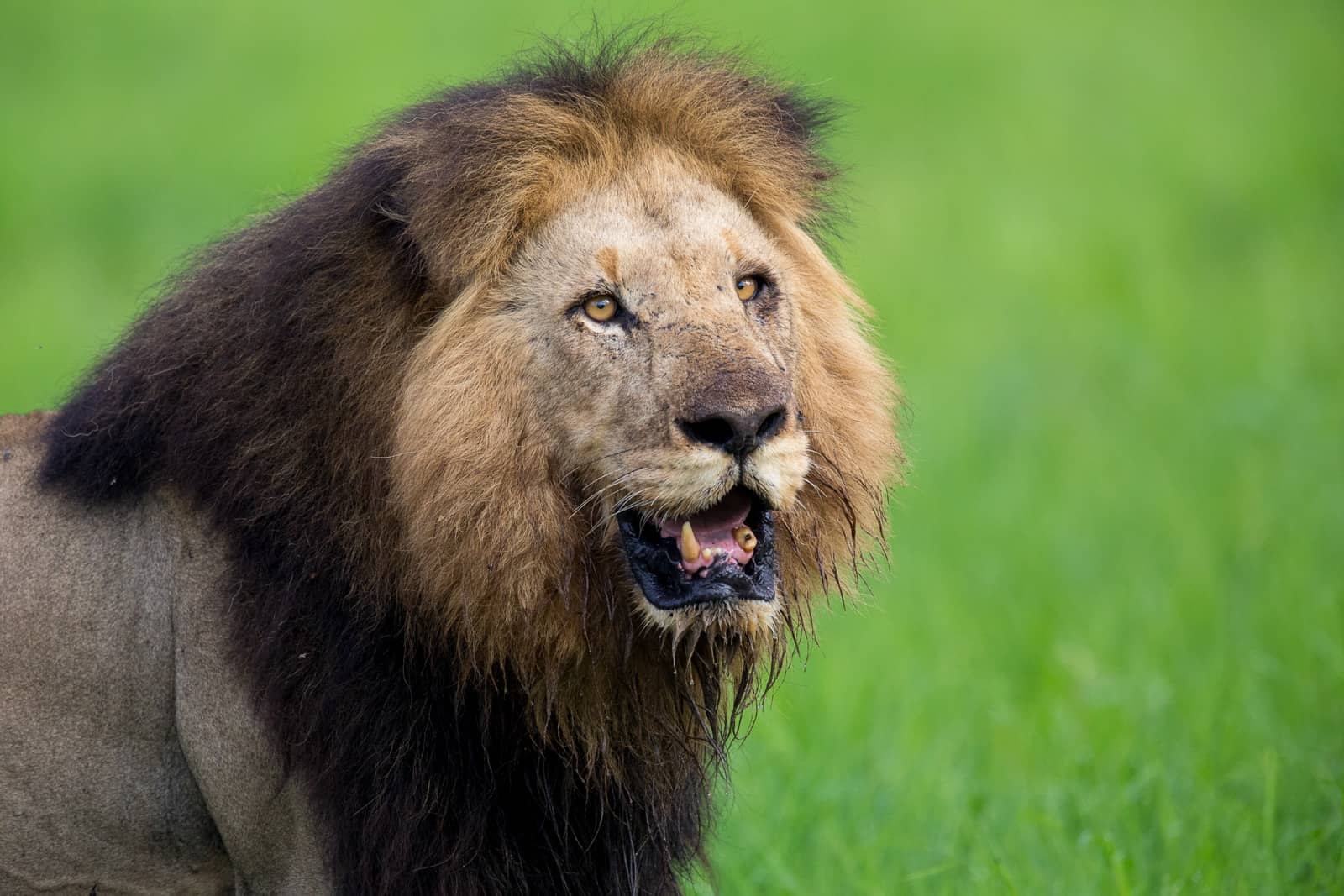
The Lion
With a mighty roar that can be heard for up to 8 kilometers echoing through the savannah, the lion is undoubtedly the King of Kruger. There is something majestic about their size and presence that is hard to describe in words. If you are fortunate enough to spot one of these cats walking down the road while on your Kruger game drive, you will know what we mean. Especially when they make eye contact for a moment. It is an exhilarating feeling that will not fade.
Male lions weigh up to 190kg and females up to 130kg, making them Africa’s largest predators. These large cats are very social animals that live in prides forming close bonds with the pride members. They hunt together. The females are the primary hunters that work together to bring down prey.
The best time to spot lions in Kruger is at dusk and dawn, so it is essential to get out there as soon as the camp gates open to have the best chance of spotting them. While it is still cool, they tend to be more active. Lions are known to sleep up to 21 hours per day, so as soon as the day warms up, you will see them lazing around in the shade of trees and bushes. As they are nocturnal, it is a good idea to book a night drive from the camp reception. It is well worth the experience.

The Leopard
Unlike the very social lions, leopards are secretive, solitary creatures that thrive in different habitats in the Kruger National Park. The thrill and excitement of catching a glimpse of a leopard disappearing into the dense bushveld is a testament to their elusive nature. But if you are lucky, they can be seen draped over the branch of a tree or lazing around on a rocky outcrop.
The best times to spot leopards are early morning and late afternoon, although they tend to move around longer than lions. They blend in with the natural vegetation, so it is best to drive slowly, scan the surroundings, and enjoy the anticipation.
Leopards are mostly silent, although their rasping call can sometimes be heard early in the morning. If you don’t know what a leopard sounds like, listen to this video below: (Link)
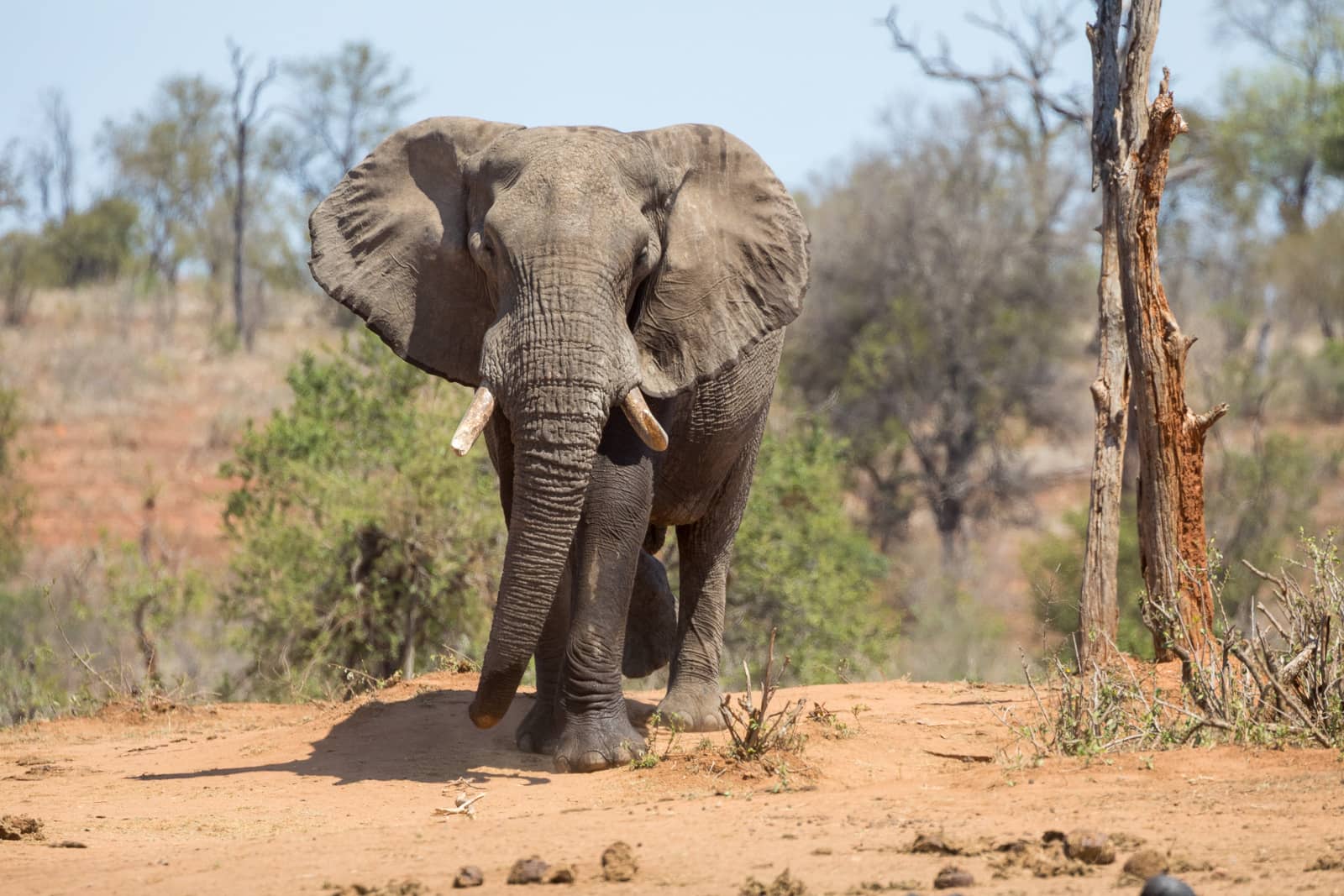
The African Elephant
Known as the gentle giants, the African Elephant is not just the largest land mammal on the planet, they are extremely intelligent animals. “An elephant never forgets” is a well-known saying that serves as a tribute to their remarkable memory and intelligence.
The Kruger’s elephants are a sight to behold. Their sheer size and presence will leave a lasting impression on any visitor to the park. They can be seen foraging for food throughout the day or cooling off at a muddy waterhole or in the rivers. The Kruger has a few large tuskers, but to get an up-close look at some of the large tuskers that used to roam the Kruger landscape, make sure to visit the Elephant Museum at Letaba rest camp.
Even though they are gentle giants, they should be treated with respect, and it is important to give them their space and keep a safe distance.
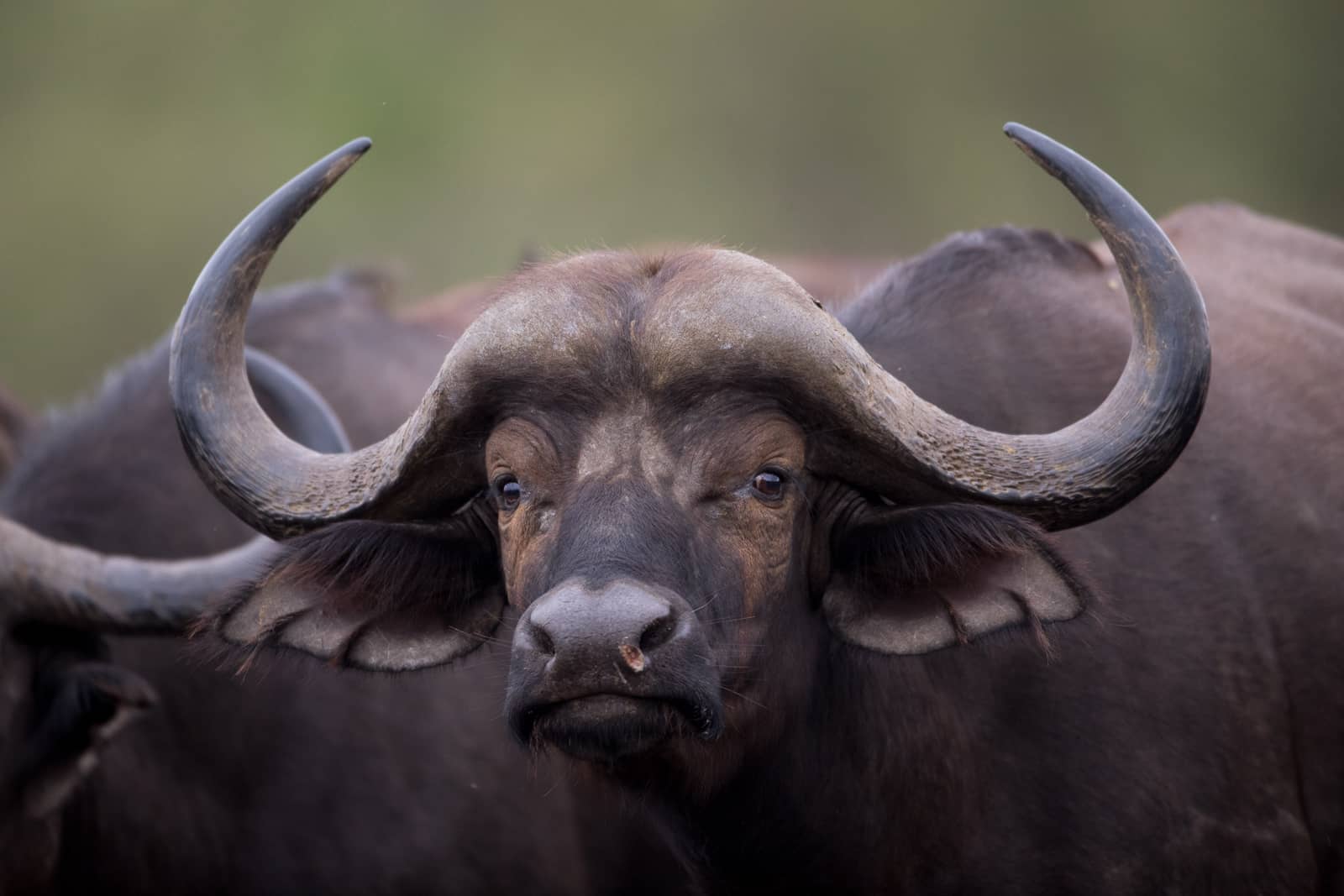
African Buffalo
The African buffalo, also known as the Cape buffalo, are large herbivores that form herds from a few individuals to thousands. The herd’s collective strength acts as a defense against predators, especially when threatened by lions.
Coming across a large herd of buffaloes in Kruger is something to behold. The sight, the sounds, and the smell are a delight to the senses; a true African wildlife experience. Despite their calm demeanor, these heavy creatures are known to be aggressive, particularly when approached on foot.

Rhino
The Kruger National Park is home to the White and Black Rhino. The main distinction between white and black rhinos lies not in their color but in other physical characteristics and behaviors. White rhinos are generally larger, with a square-shaped mouth adapted for grazing on grass. The Black rhinos have a pointed upper lip, better suited for browsing on leaves. Black rhinos are known for their more solitary and aggressive behavior, while white rhinos tend to be more social.
Rhinos are heavily protected due to the unfortunate threat of poaching for their horns. Spotting a rhino in Kruger is a poignant reminder of the importance of conservation efforts.

Spotting the Big Five in the Kruger National Park is a humbling experience, and there’s no better way to do it than with a self-drive safari with Kitted Africa. Experience the anticipation of the search and the thrill of encountering one of these majestic creatures in its wild and natural setting that will leave you with a special connection to Africa’s wildlife. Plan your Kruger National Park trip with Kitted Africa and experience the best Kruger camping experience.