
KRUGER SELF-DRIVE GUIDE
Planning Your First Kruger Self-Drive
Planning your first Kruger National Park self-drive can feel a little overwhelming. Which gate should you use? Where should you stay? How many days do you need? And what kind of vehicle is best for exploring the park?
The good news is that a self-drive safari is easier than you might think, and part of the fun is planning it yourself. With a little preparation, you can explore Kruger at your own pace, choose the camps and routes that suit you, and enjoy the freedom of deciding where to stop and how long to stay.
This guide will take you through everything you need to know to plan your Kruger self-drive, from choosing your dates and entrance gate to planning your route, booking accommodation, choosing the right vehicle and preparing for your days in the park.
Take your time, plan ahead and leave a little room for the unexpected. That’s where the magic of Kruger happens.
How Many Days Do You Need in Kruger?
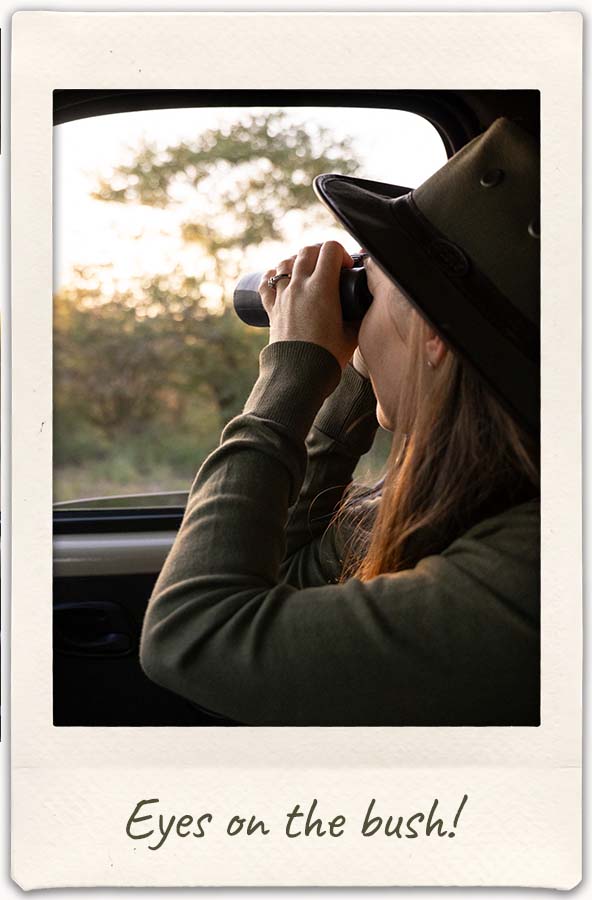
Kruger deserves time. The park is vast, and the distances between camps can be surprisingly long. While it can be tempting to try to see as much of Kruger as possible in a few days, we believe you’ll get a far better experience by slowing down and spending more time in one area.
As a general rule, we recommend staying at least two nights at each camp. Moving every night might look like a good way to cover more ground, but it can make your trip feel rushed. You spend valuable time packing up, checking out, driving to the next camp and checking in again, and you never really get the chance to explore the area around each camp properly.
There is also something to be said for staying longer from a sustainability perspective. When you stay only one night, particularly in bungalows and other accommodation where bedding is replaced between guests, it can add unnecessary pressure to precious resources such as water. Staying for a few nights means less packing, less moving and, simply, a more relaxed way to experience the park.
A week is a great amount of time to explore one section of Kruger. Rather than trying to drive from one end of the park to the other, choose an area and get to know it.
For example, if you want to explore southern Kruger, a week gives you enough time to comfortably explore the area from the southern camps up towards Satara. Alternatively, entering through the central part of the park allows you to spend a week exploring the central region without constantly moving between camps.
If your goal is to travel from the south all the way to the north and back again, we’d recommend allowing at least two weeks. The distances are significant, and trying to cover the entire park in much less time means spending too much of your holiday behind the wheel.
Only Have a Weekend?
Don’t let a short trip put you off. A weekend in Kruger is better than no Kruger at all!
If you only have a few days, we’d suggest choosing one rest camp as your base and taking day trips into the surrounding area. This gives you much more time to explore, rather than spending a large part of your short stay checking in and out of different camps.
And there is another reason to stay longer: Game viewing takes time. Wildlife doesn’t follow an itinerary. You might drive for hours without seeing much, only to have an unforgettable sighting appear around the next corner. The more time you spend in the park, the more opportunities you have for those special encounters.
More time also allows you to enjoy everything that isn’t about ticking animals off a list. Stop for a picnic. Make a coffee. Sit quietly at a waterhole. Take a slower road because it looks interesting. Or simply park somewhere peaceful and listen to the sounds of the bush.
Kruger isn’t a place to rush through. Give yourself time to explore, and you’ll discover that some of the best moments are the ones you never planned for. And at the end of your trip, you may well find yourself already planning your next visit.
Best Time to visit the Kruger National Park
When is the best time to visit Kruger? It really depends on what you want from your safari.
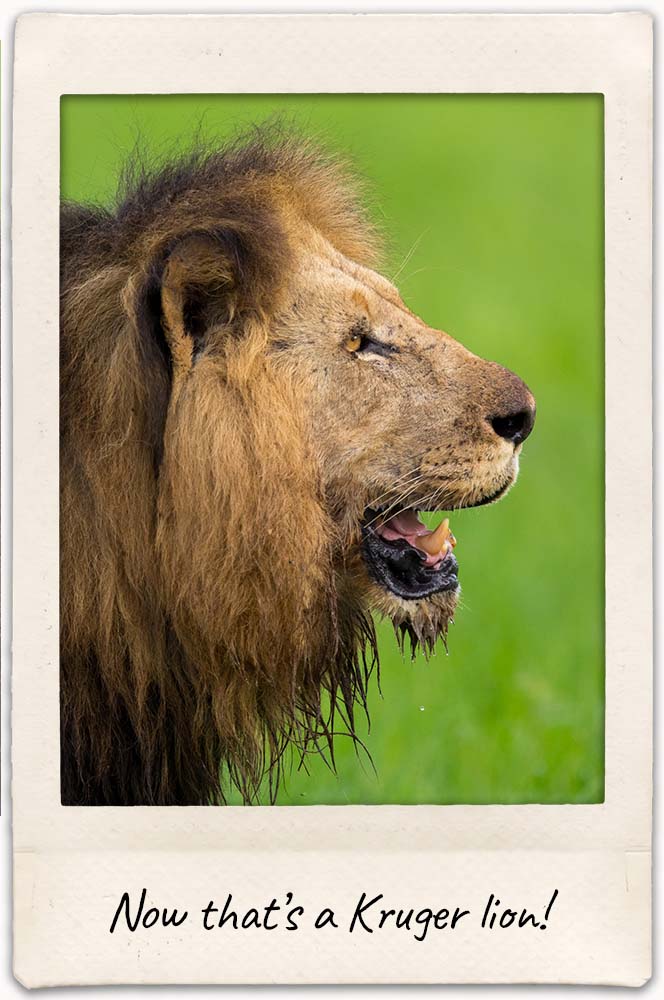
Kruger is a year-round destination, and each season brings its own character. The landscape changes dramatically throughout the year, from the dry, open bushveld of winter to the lush green landscapes of summer. Wildlife, birds and even the atmosphere of the park change with the seasons.
That said, June to September is considered the peak safari season. These are the dry winter months, when rainfall is at its lowest, vegetation becomes thinner and wildlife is often easier to spot around rivers and permanent waterholes. The days are generally warm and comfortable, but early mornings and evenings can be surprisingly cold.
Winter | June – September – Dry, cool and excellent for game viewing
Winter is the classic safari season in Kruger. Rain is scarce, the bush becomes much more open and animals tend to concentrate around the remaining water sources, making wildlife easier to find.
Days are generally sunny and pleasant, while mornings and evenings can be cold. If you’re heading out early for a game drive, warm layers are essential.
This is also the peak safari season, so the most popular camps and accommodation can book up quickly. If you’re planning to visit during these months, booking well in advance is recommended.
Spring | September – November – Warmer, greener and the start of a new season
Spring brings a gradual change to Kruger. Temperatures start to rise, the first rains begin to arrive and the dry landscape slowly starts turning green again.
September can still feel very dry, while October and November become progressively warmer with an increasing chance of afternoon thunderstorms.
Summer | October – March – Hot, green and full of life
Summer is Kruger’s rainy season. The temperatures are higher and the days can be hot and humid, with rainfall often arriving as spectacular afternoon thunderstorms. The rain transforms the park into a lush green landscape and brings new life to the bush.
The thicker vegetation can make some animals more difficult to spot than during winter, but summer has its own rewards. It is a wonderful time for birding, photography, dramatic skies and seeing Kruger at its greenest.
Autumn | April – May – A beautiful transition into the dry season
As the summer rains ease, the landscape begins to dry out again. April and May can offer a lovely balance between the green summer landscape and the drier winter conditions.
Temperatures become more comfortable, the vegetation gradually thins and the bush starts preparing for winter.
There really is no bad time to visit Kruger. Each season gives you a different experience, and part of the magic is seeing how dramatically the park changes throughout the year.
Visiting Kruger in Summer
Many travellers automatically choose winter for their Kruger trip, but don’t overlook the summer season.
The green landscape, summer storms, newborn animals and incredible birdlife make it a completely different Kruger experience. If you’re interested in seeing the park at its most colourful and vibrant, summer can be a fantastic time to visit.
We’ve put together a separate blog post to visiting Kruger in summer, including what to expect, what makes the season special and some of the things to consider when planning a summer self-drive.
Summer is Great for Birding
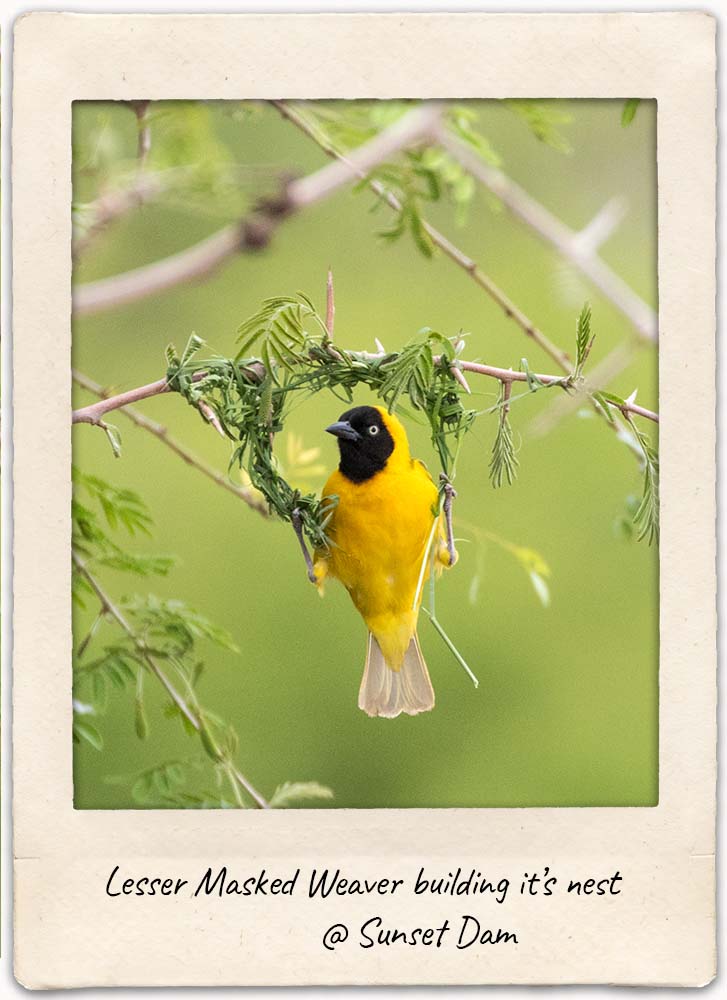
Summer is also an excellent time for birding in Kruger. The arrival of the rains brings an increase in bird activity, while many of Kruger’s summer migrant species return to the park.
It is also an exciting time for breeding activity, with many birds displaying, calling, nesting and raising young. For birders, the combination of resident species, summer migrants and breeding activity makes the summer months particularly rewarding.
Kruger has more than 500 bird species, and birding is excellent throughout the park, with the northern areas around Pafuri and Punda Maria particularly well known for their birdlife.
Which Gate Should You Use?
Choosing the right gate is an important part of planning your Kruger self-drive. The best gate isn’t necessarily the one closest to the airport. It should make sense for the area you want to explore and where you plan to spend your first night.
Kitted Africa operates from Kruger Mpumalanga International Airport (KMIA), giving you easy access to several gates in the southern part of Kruger. From here, you can also reach the central region if you have enough time, while Hoedspruit provides another convenient option for travellers starting further north.
Distances and driving times below are approximate and can vary depending on traffic, road conditions and stops along the way. Remember to also allow enough time to reach your first camp after entering the park.
Starting in Southern Kruger
Southern Kruger offers plenty of options when it comes to choosing an entrance gate. From KMIA, the main choices are Numbi Gate, Malelane Gate, Crocodile Bridge Gate, Phabeni Gate and Kruger Gate. All provide access to the southern part of the park, but the best choice will depend on your planned route and first destination.
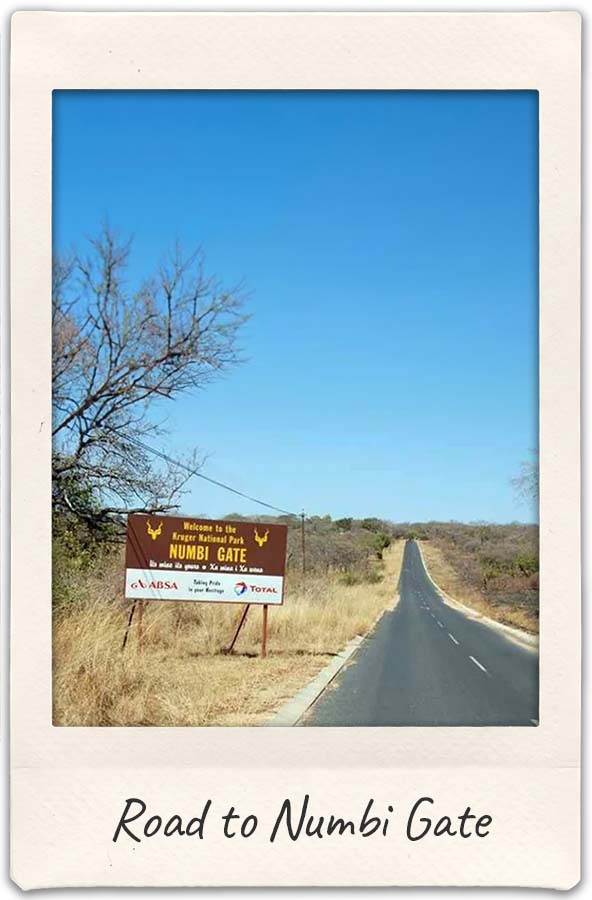
Numbi Gate
Approx. 45 km | around 1 hour from KMIA
Numbi Gate is the closest and quickest entrance to Kruger from KMIA, making it an easy option if you want to get into the park without spending too much time on the road. The route follows secondary roads that are generally well maintained. It can be a little slower than the main highways, but it is an easy drive and avoids much of the heavy truck traffic found on some other routes.
Numbi Gate has received attention online because of past security concerns and disruptions on parts of the surrounding access route. We recommend checking the latest SANParks travel and road information before travelling and following current official advice when choosing your route. Conditions can change, so it is always best to make your final decision based on the latest information available. As with travelling anywhere, we recommend driving during daylight hours, following sensible travel precautions and checking current conditions before you travel.
Numbi Gate is particularly convenient for accessing Pretoriuskop and the western parts of southern Kruger.
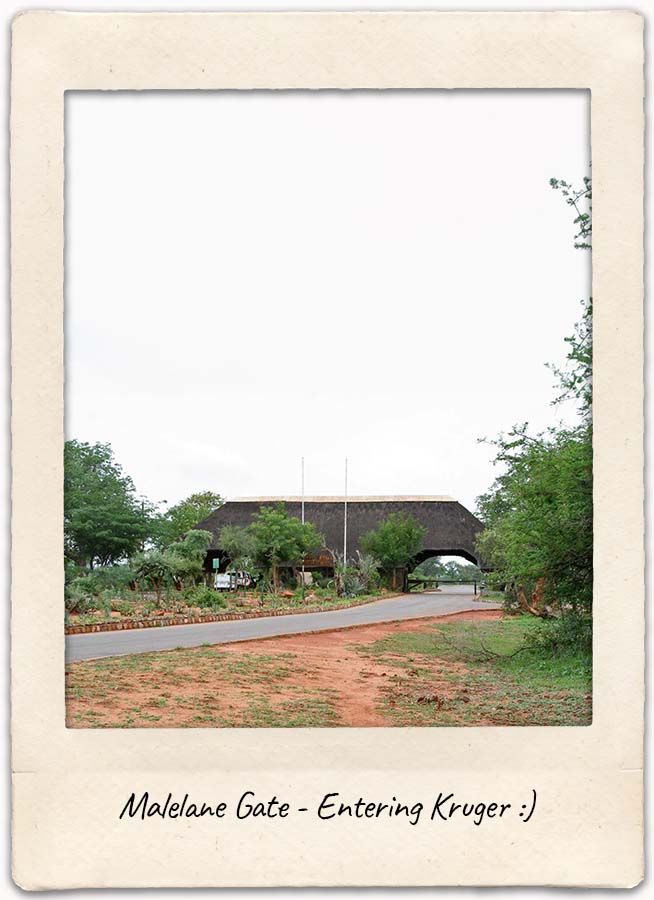
Malelane Gate
Approx. 70 km | around 1 hour 15 minutes from KMIA
Malelane Gate is an excellent option for travellers exploring the south-western part of Kruger, including Berg-en-Dal and the surrounding area.
The majority of the journey from KMIA follows the N4, a good main highway. You will pass through the town of Malelane before turning towards the gate. There is one toll point along this route, the Nkomazi Toll Plaza, so remember to factor the toll costs into your journey.
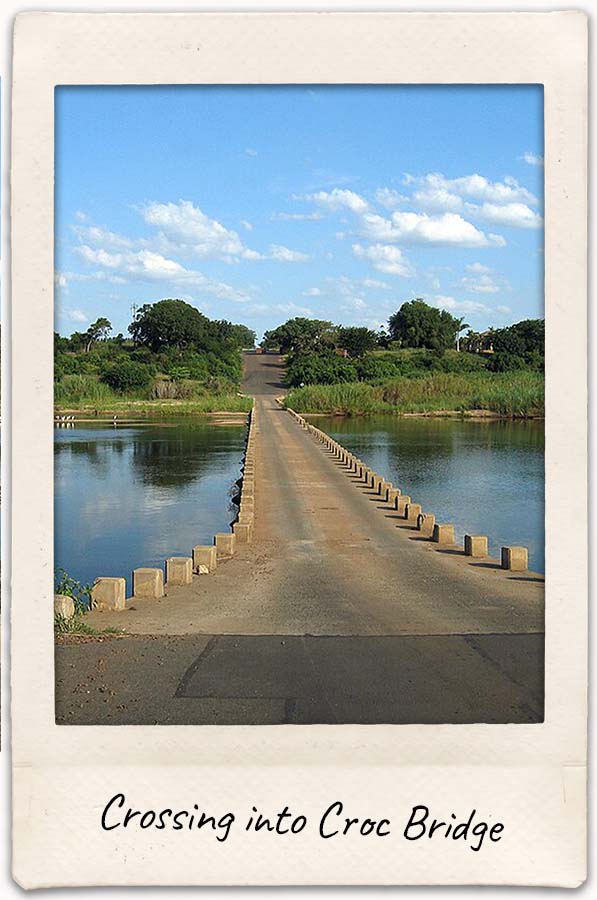
Crocodile Bridge Gate
Approx. 115 km | around 1 hour 45 minutes from KMIA
Crocodile Bridge Gate is a good choice if your trip starts in the south-eastern part of Kruger, particularly around Crocodile Bridge and Lower Sabie.
The route from KMIA follows the N4 for most of the journey, passing through Malelane and continuing towards Komatipoort before turning towards the gate. Like the route to Malelane, most of the journey is on a good main road, although you should allow extra time depending on traffic.
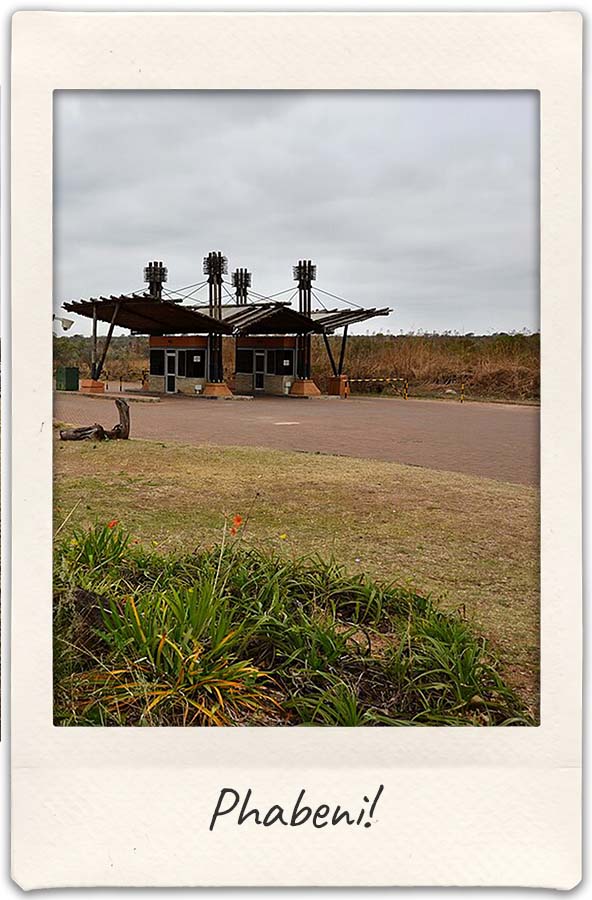
Phabeni Gate
Approx. 70 km | around 1 hour to 1 hour 15 minutes from KMIA
Phabeni Gate is another convenient option for entering southern Kruger. The route follows the R40 towards Hazyview, passing through the town along the way. Phabeni Gate is the closest Kruger entrance to Hazyview and is a good option for accessing the central part of southern Kruger. Stick to the R40 route when using Google Maps.
From here, you can continue towards destinations including Skukuza, Pretoriuskop and the surrounding areas.
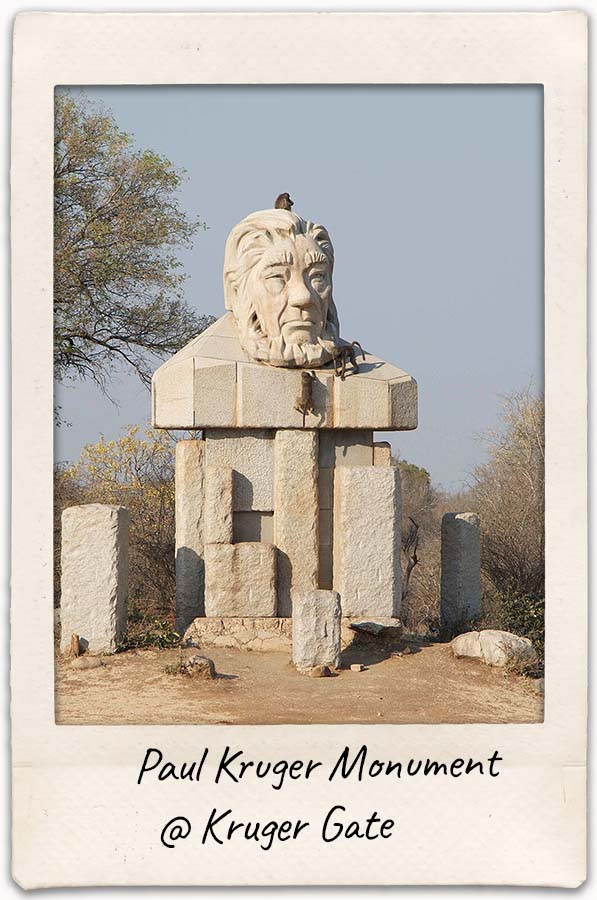
Kruger Gate
Approx. 110 km | around 1 hour 45 minutes from KMIA
If Skukuza is your first destination, Kruger Gate is often the most convenient choice. The route also follows the R40 towards Hazyview before continuing towards the park. Stick to the R40 route when using Google Maps.
Kruger Gate is perhaps one of the most iconic entrances to Kruger. Before entering, you’ll find the well-known statue of Paul Kruger. From here, Skukuza is only a short drive away, making this a great starting point for a southern Kruger itinerary based around Skukuza and the surrounding area.
Starting in Central Kruger
If you would like to begin your self-drive in the central part of Kruger, Orpen Gate and Phalaborwa Gate are your main options.
Both are easily accessed from the Hoedspruit area. You can fly directly into Hoedspruit Airport, and Kitted Africa can arrange delivery of your vehicle there for a small additional fee. This can be a convenient option if you want to start your Kruger adventure closer to Orpen, Satara, Olifants or the central region.
However, if you arrive early enough at KMIA, it is also possible to collect your vehicle there and drive around the outside of the park to reach these gates.
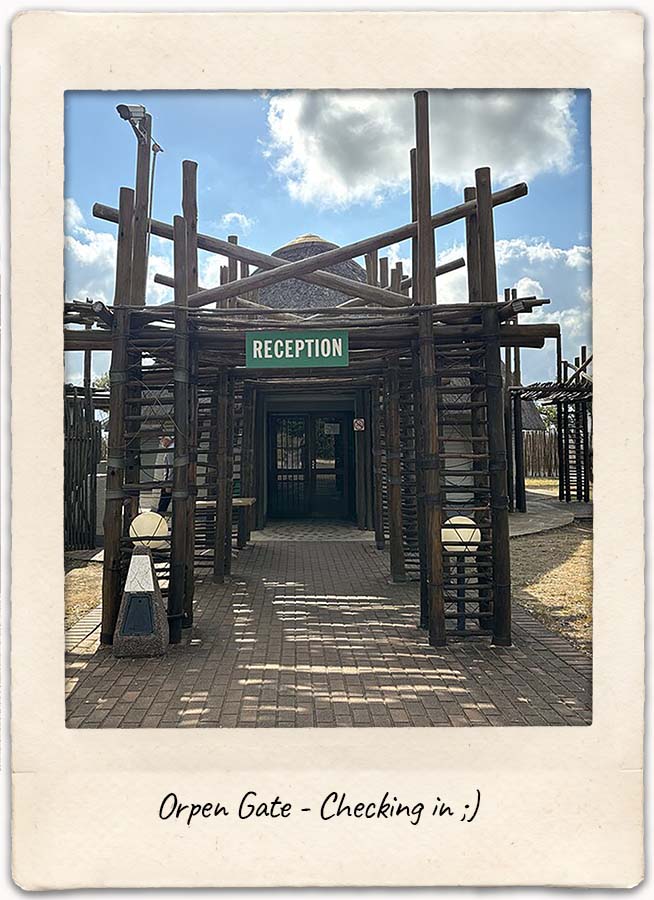
Orpen Gate
From Hoedspruit Airport: approx. 68 km | around 1 hour
From KMIA Airport: approx. 150km | allow approximately 2½ to 3 hours
Orpen Gate is an excellent starting point for exploring central Kruger. It provides easy access to Orpen Camp, Tamboti, Maroela, Satara, and the surrounding central grasslands, an area well known for excellent game viewing.
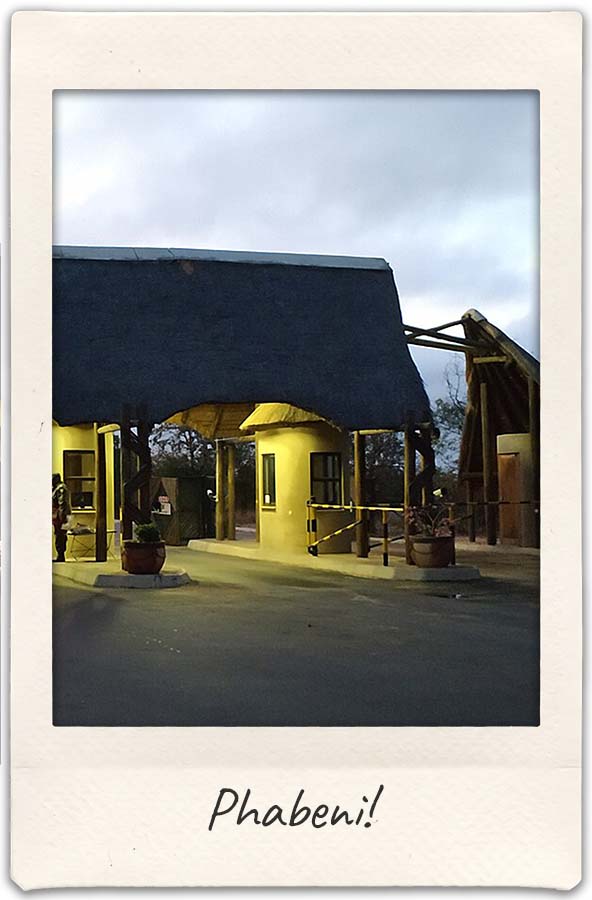
Phalaborwa Gate
From Hoedspruit Airport: approx. 90 km | around 1 hour 15 minutes
From KMIA: approx. 220km | allow approximately 3 hours
Phalaborwa Gate is another good option for accessing the central and northern parts of Kruger. It works particularly well for itineraries including Letaba, Olifants, Mopani and the northern regions.
What about Northern Kruger?
To access the far north of Kruger directly from outside the park, your main options are Punda Maria Gate and Pafuri Gate. However, these are a long drive from the Lowveld and from KMIA.
If northern Kruger is part of a longer self-drive trip, we would generally recommend driving north through the park rather than driving around it. This allows the journey itself to become part of your Kruger experience. Instead of spending hours outside the park simply getting from one point to another, you can gradually work your way north while exploring different regions, camps and landscapes along the way.
This is also one of the reasons why we recommend allowing enough time for Kruger. The park changes dramatically as you travel from south to north, and the journey between regions can be just as rewarding as the destinations themselves.
Our Advice: Choose Your Gate Around Your Trip
There is no single “best” gate for Kruger. The right gate depends on your flight, collection point, first overnight camp and the part of the park you want to explore.
Start by deciding how many days you have and which section of Kruger you want to experience. Then choose your camps and route — and finally, select the gate that makes the most sense.
If you’re not sure where to start, that’s where we can help. When you rent a vehicle from Kitted Africa, we can help you work out a practical route, choose suitable camps and plan a Kruger self-drive around the time you have available.
| Gate | Best for | Approx drive from KMIA |
|---|---|---|
| Numbi | Pretoriuskop / Western South Region | ± 1 hour |
| Malelane | Berg-en-Dal / South-west Region | ± 1 hr 15 min |
| Crocodile Bridge | Lower Sabie / South-east Region | ± 1 hr 45 min |
| Phabeni | Skukuza and Pretoriuskop | ± 1 hr 15 min |
| Kruger Gate | Skukuza | ± 1 hr 45 min |
| Orpen | Satara / central Kruger | ± 2.5 hr – 3 hr |
| Phalaborwa | Letaba, Mopani / north Central Region | ± 3 hr – 3.5 hr |
Where to Stay in the Kruger National Park
Where you stay can make a big difference to your Kruger self-drive experience. The park is vast, and choosing accommodation in different areas allows you to explore more without spending your entire trip driving between destinations.
Kruger Rest Camps
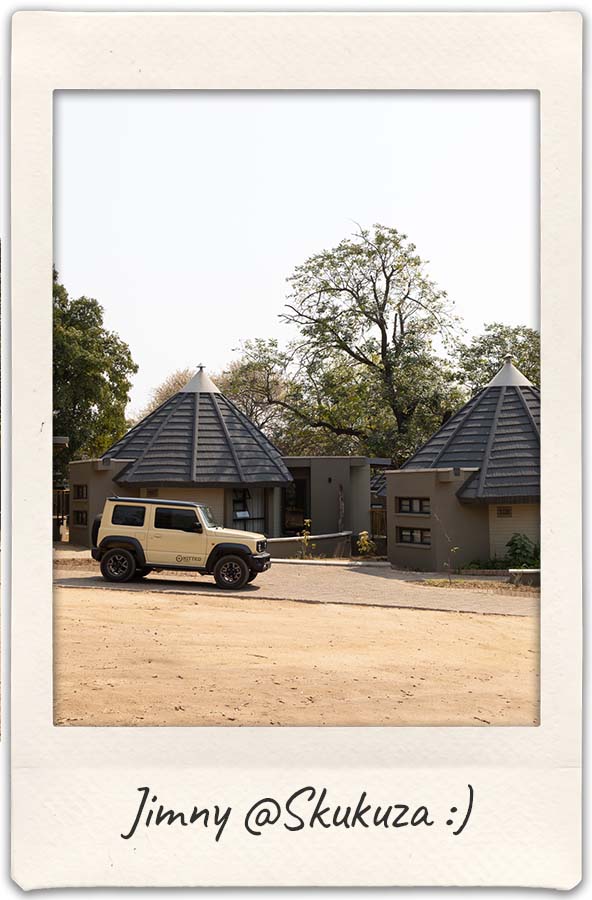
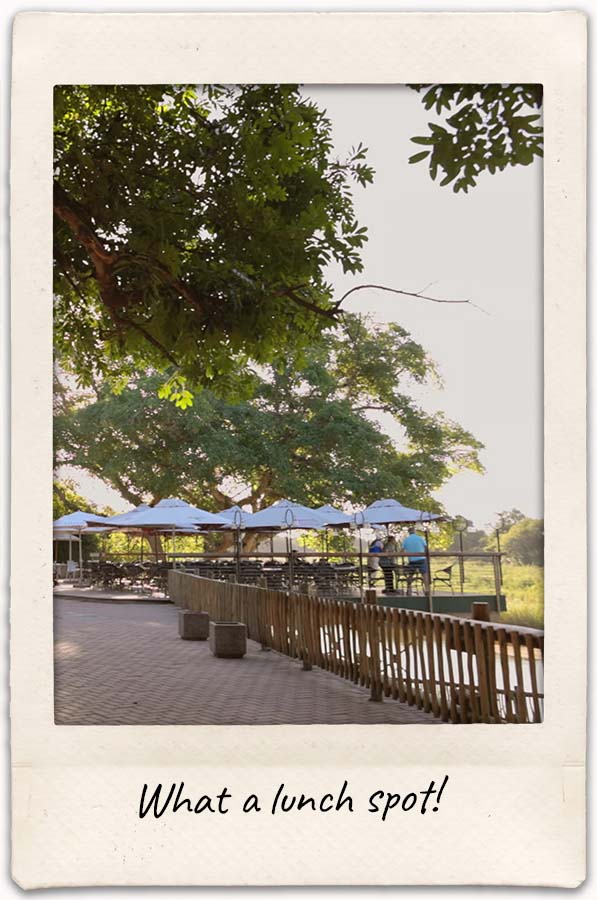
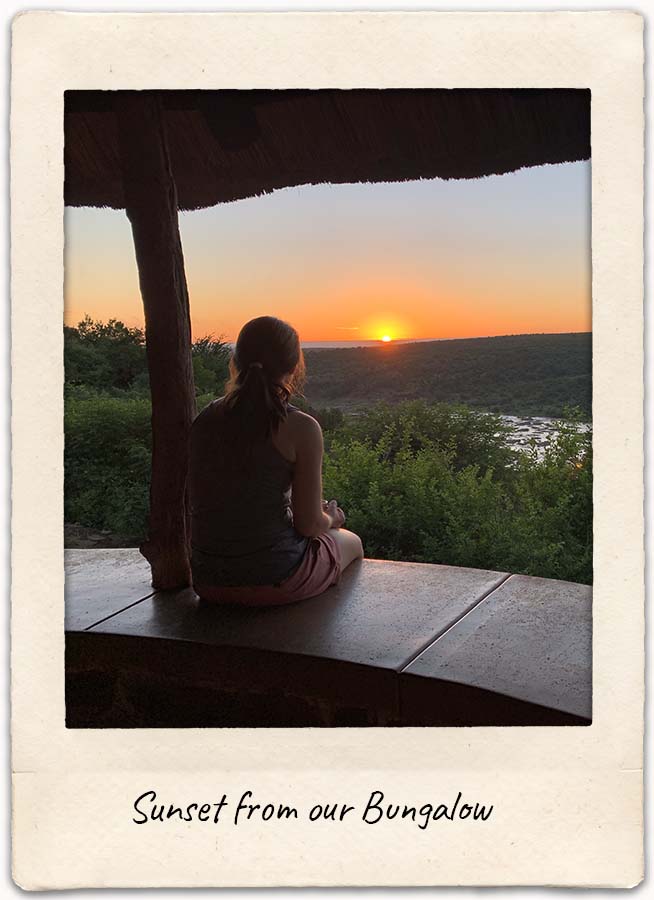
For most self-drive travellers, the SANParks rest camps are the best place to start. Scattered throughout the park, they give you the opportunity to stay right in the heart of the wilderness while keeping your trip flexible and affordable.
The rest camps are operated by South African National Parks (SANParks) and offer a wide range of accommodation and facilities. Many have restaurants, shops, fuel stations and other useful amenities, while the accommodation is geared towards independent travellers.
For a self-drive holiday, we particularly like the flexibility this gives you. You can spend your days exploring the surrounding roads in your own vehicle, return to camp when you choose and prepare your own meals when it suits you. It is a great-value way to experience Kruger without compromising on being in the park itself.
There are also smaller and more secluded SANParks bushveld and satellite camps if you are looking for a quieter, more rustic experience. These have fewer facilities and are generally more remote, but can offer an even stronger feeling of being surrounded by wilderness.
Add a Private Lodge to Your Self-Drive
Your entire trip doesn’t have to be self-catering either. Private safari lodges inside Kruger offer a completely different experience, usually with fully catered stays, guided game drives, walking activities and a more luxurious level of service. The Kruger has a number of private luxury lodges and concessions within the park.
For many travellers, combining the two is the perfect way to experience Kruger. Spend most of your trip in the rest camps, exploring independently in your Kitted vehicle, and then finish with a few nights at a private lodge where everything is taken care of.
These lodge stays are generally more expensive, but they can add something special to your trip, particularly if you want to enjoy a few nights of luxury, guided game viewing or simply a break from planning your own meals and drives.
Want us to help put the whole trip together? We can help you combine self-drive accommodation with a special lodge stay and arrange the bookings for you.
Why choose one? Combine them!
Understanding the Rest Camps in the Kruger National Park
Kruger National Park has a wide range of accommodation spread throughout the park, but the easiest way to understand your options is to start with the main rest camps and the smaller bushveld camps.

Main Rest Camps
The main rest camps are the larger, more established camps in Kruger and are often the best choice for first-time visitors. They have a range of facilities to make your self-drive trip easier, including shops, fuel stations and, at most camps, restaurants or cafeterias.
They also offer a variety of accommodation options to suit different budgets, group sizes and ways of travelling. Depending on the camp, you can choose from camping, bungalows, basic safari tents and basic huts, giving you plenty of flexibility when planning your trip.
The Smaller Bushveld Camps
If you want something quieter and more intimate, Kruger’s bushveld camps offer a very different experience.
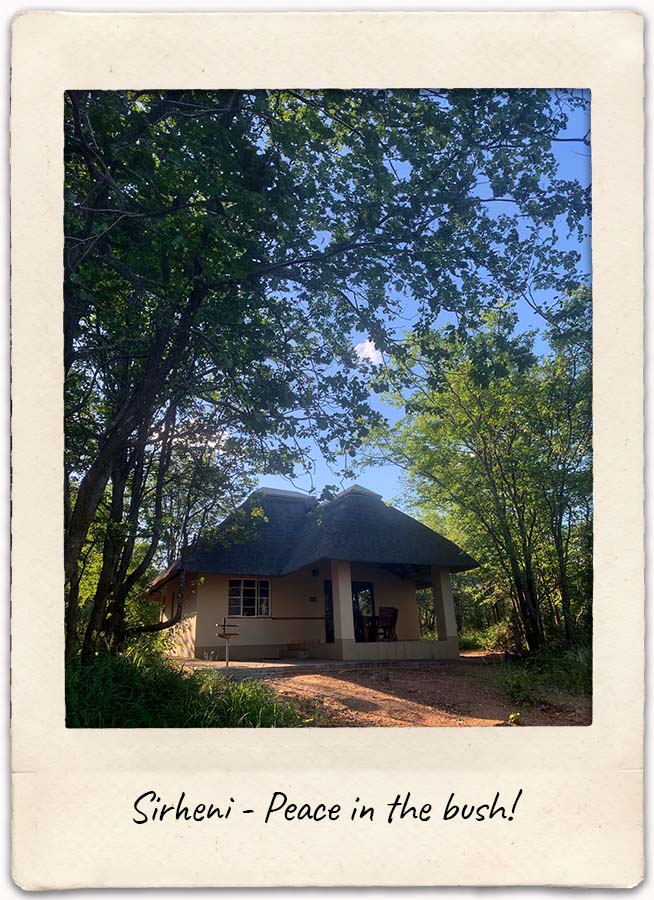
These are smaller, more remote camps with fewer facilities. There are no shops or restaurants, so you need to arrive with everything you need for your stay. The accommodation is self-catering, with kitchens and cooking equipment provided.
The bushveld camps are generally made up of smaller bungalow-style units, accommodating anything from couples to small groups. They don’t offer camping. And they are a good option if you want the privacy and atmosphere of a small, remote bush camp.
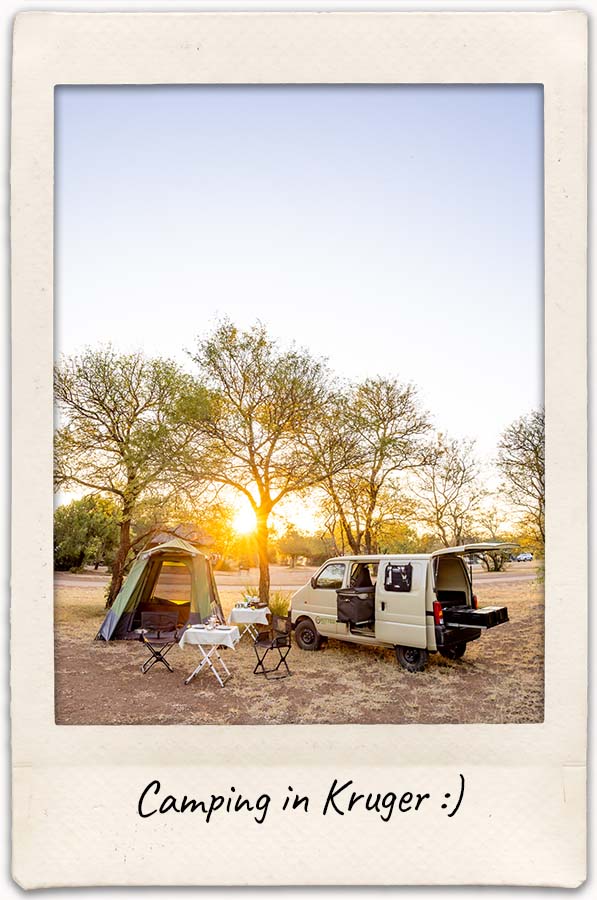
And Then There Are the Camping-Only Camps
There are also a few camps specifically aimed at campers. Maroela, near Orpen, is one of only two Kruger camps that exclusively caters for caravans and campers, while Tsendze is a rustic camping site near Mopani.
So, when planning your Kruger self-drive, don’t just think about which camp you want to stay at. Think about what type of camp and accommodation experience suits your trip.
We’ve put together a more detailed guide to the different Kruger camps and accommodation options, including the different unit types, what they offer and which options may work best for your budget and group.
Understanding Private Lodges in the Kruger National Park
Private lodges offer a completely different way to experience Kruger.
While the SANParks rest camps are designed around independent self-drive travel, private lodges offer a more all-inclusive safari experience, with your accommodation, meals and safari activities generally included in the stay. Many of the private lodges are located within exclusive concessions in the park, giving guests access to areas that are not open to general self-drive traffic.
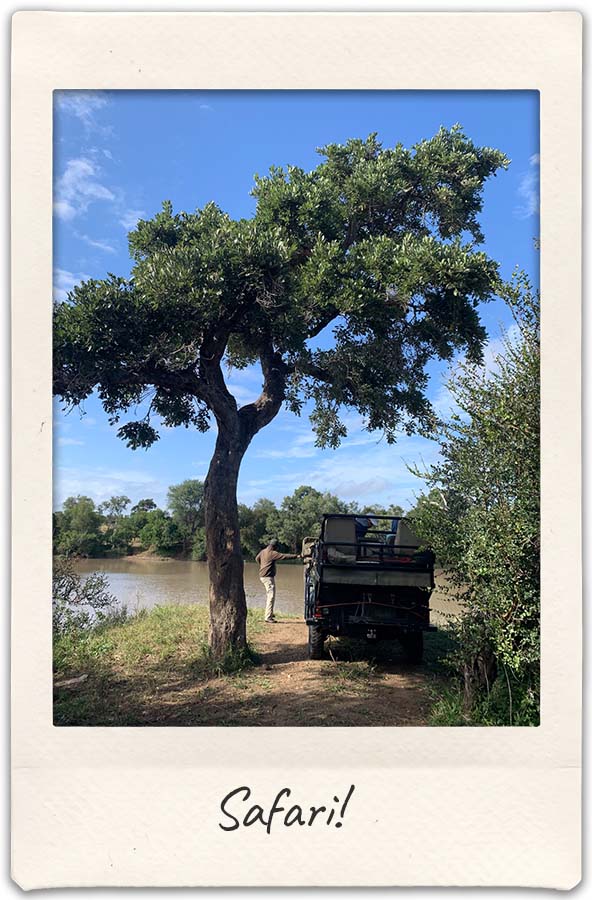
A Different Kind of Safari
At a private lodge, you can put the map away for a while and let someone else take care of the details. Experienced guides and trackers take you out on guided game drives on open safari vehicles, and some lodges also offer walking safaris and various other activities.
The lodges themselves are more luxurious than the accommodation in the public rest camps, with comfortable rooms or tents, beautiful settings and facilities such as swimming pools, viewing decks and lounges, depending on the lodge.
This type of experience does come at a higher price, but you are paying for much more than a place to sleep. It is about the service, food, guided safari experience, exclusivity and luxury that come with the stay.
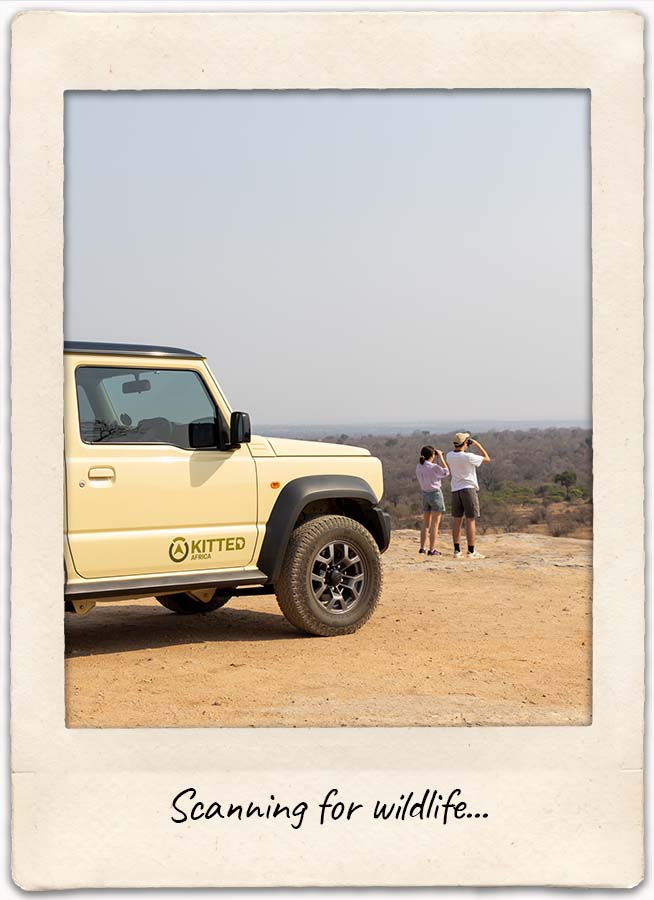
Combine a Private Lodge with Your Self-Drive
You don’t have to choose between a self-drive Kruger holiday and a luxury safari lodge. In fact, we think combining the two can be one of the best ways to experience Kruger.
Spend most of your trip in the SANParks rest camps, exploring the park independently in your Kitted vehicle and enjoying the freedom of self-drive. Then add two or three nights at a private lodge as a special treat.
It gives you the best of both worlds: the freedom of a Kruger self-drive and the luxury of having someone else take care of everything for a few days.
There are a number of private lodges and concessions within Kruger, each offering something different in terms of location, style, wildlife experience and price. Choosing the right one depends on your route, budget and what you want from your safari.
Not sure which lodge would work best with your self-drive? We can help you choose and arrange the booking as part of your Kruger trip.
Booking your Accommodation in the Kruger National Park
Once you have decided where you want to stay, you can book your Kruger accommodation directly through the SANParks website. SANParks manages the public rest camps and offers an online booking system where you can check availability and make your own reservations.
But you don’t have to do it all yourself.
Planning a Kruger self-drive can involve working out which camps to stay at, how many nights to spend in each area, and how to make the different parts of your itinerary work together.
That’s where we can help.
We can help you plan your Kruger itinerary around the areas you want to explore, recommend suitable camps and accommodation, and arrange the bookings for you. We can also combine your SANParks accommodation with a private lodge stay if you’d like to add a special treat to your trip.
How Far in Advance Should I Book Kruger?
Kruger accommodation books up quickly.
SANParks normally opens accommodation bookings 11 months in advance. Popular camps and sought-after dates can fill very quickly because bookings are made on a first-come, first-served basis.
If you have specific camps, dates or a particular itinerary in mind, we recommend planning and booking as early as possible — ideally around a year ahead. This is especially important during peak safari periods and school holidays, when availability can become limited.
Booking early gives you much more freedom to choose the camps you want and build an itinerary that makes sense geographically, rather than having to plan your trip around whatever happens to be available.
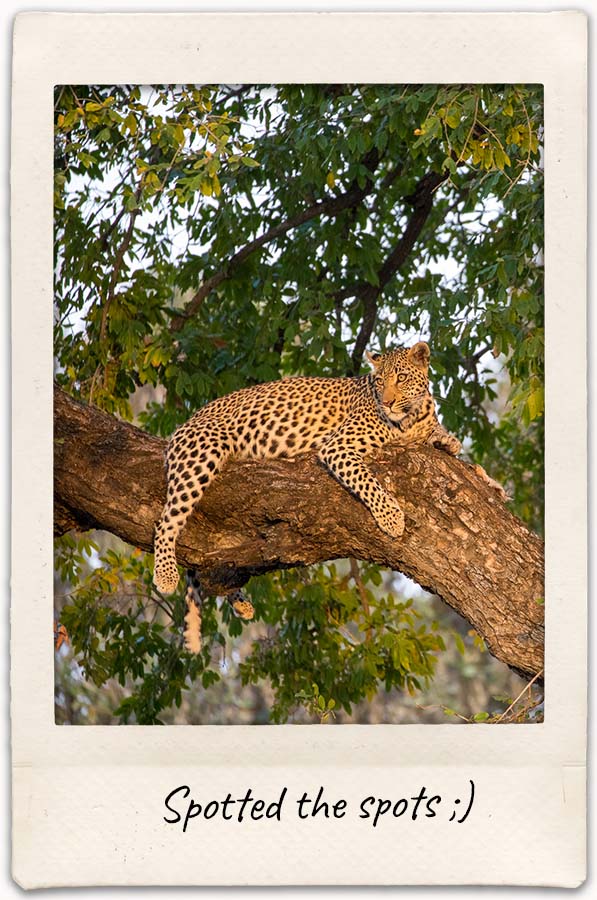
But don’t give up if you’re booking at the last minute.
Kruger is a large park with many different camps and accommodation options, and availability does change. If you are flexible with your dates, camps or route, it is often still possible to put together a great self-drive trip at shorter notice.
Sometimes the best itinerary isn’t the one you originally had in mind — it’s the one that is available!
Need help finding the best combination of camps for your dates? Let us plan your Kruger self-drive and take care of the bookings for you.
Other Costs to Consider
Your accommodation isn’t the only cost to factor into your Kruger trip. Daily conservation fees are payable in addition to your accommodation. You can check the latest Kruger conservation fees directly on the SANParks website.
Should You Get a Wild Card?
If you’re spending more than a week in Kruger, or you’re planning to visit other South African National Parks during your trip, it is worth comparing the cost of daily conservation fees with a SANParks Wild Card.
A Wild Card is a once-off membership that gives you unlimited access to the parks and reserves covered by your chosen membership for 365 days. Instead of paying daily conservation fees, you pay one annual membership fee. Different membership options are available for individuals, couples and families.
You can purchase your Wild Card online before you arrive, which is the easiest option. Wild Cards can also be purchased at selected SANParks gates or camp receptions, although SANParks recommends purchasing online where possible.
Can You Still Do Guided Activities on a Self-Drive?
Absolutely!
Choosing a self-drive doesn’t mean you have to do everything on your own. One of the great things about Kruger is that you can combine the freedom of exploring in your own Kitted vehicle with guided activities offered from the rest camps.
Add a Guided Experience to Your Self-Drive
Depending on the camp and availability, you can choose from a variety of guided activities, including:
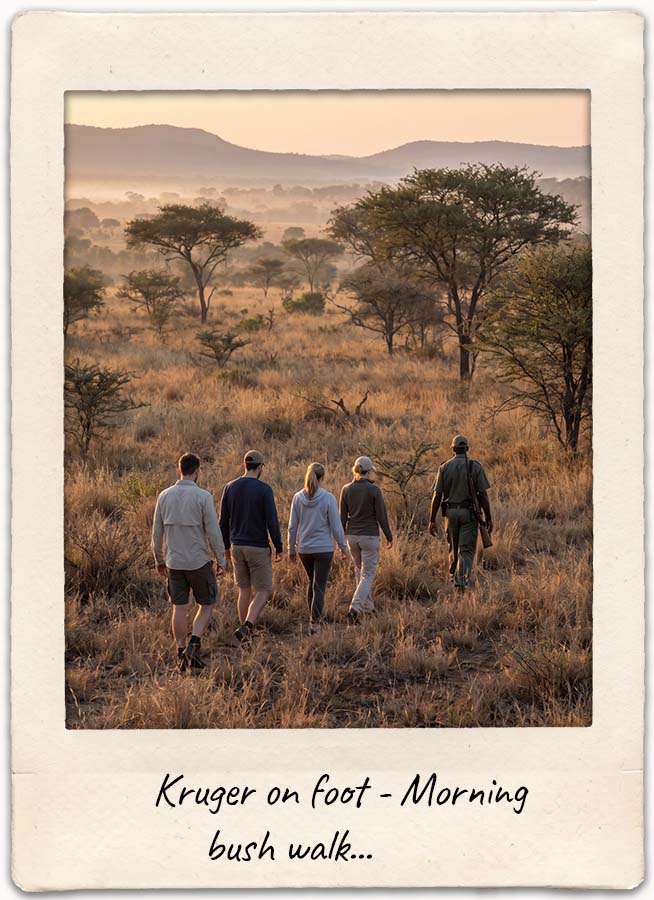
Morning Bush Walks
Leave the vehicle behind and experience Kruger on foot with an experienced guide. Walking gives you a completely different perspective of the bush, allowing you to focus on the smaller details you might miss from the vehicle.
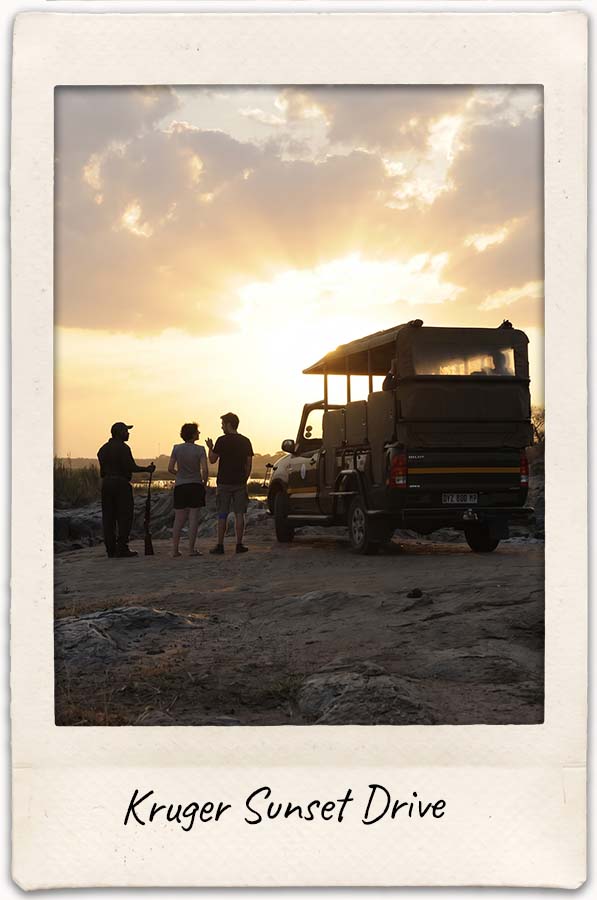
Sunset Drives
Watch the bush change as the sun goes down, with the possibility of seeing animals becoming active as the day cools.
Night Drives
Experience Kruger after dark on an open safari vehicle with a guide. With a spotlight revealing eyes and movement in the darkness, the park feels completely different at night.
Go Further with a Wilderness Trail
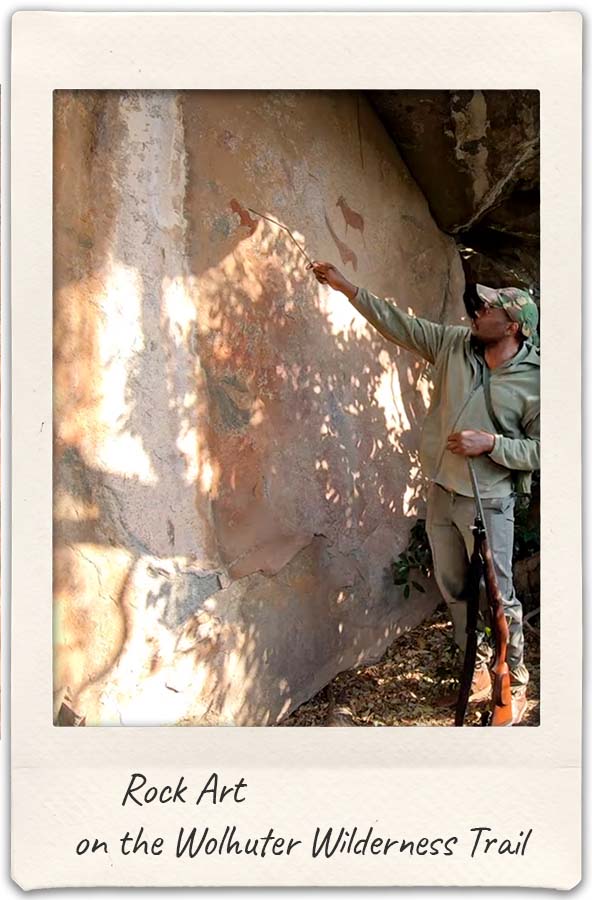
For something more immersive, you can also book one of Kruger’s Wilderness Trails.
These are multi-day walking experiences where you spend several days immersed in the wilderness, accompanied by experienced guides. You leave the roads and vehicles behind and experience Kruger on foot, with the opportunity to learn more about the bush, its animals and the smaller details of the ecosystem around you.
A Wilderness Trail can be a fantastic addition to a longer self-drive itinerary — giving you a few days of guided adventure in between exploring Kruger independently.
What Vehicle Do You Need for a Kruger Self-Drive?
Your vehicle is more than just a way of getting from one camp to the next. On a Kruger self-drive, your vehicle is where you spend hours watching wildlife, stopping for coffee, enjoying a picnic and waiting for that special sighting.
So why settle for an ordinary rental car?
At Kitted Africa, our vehicles are kitted specifically for Kruger. Even if you’re staying in fully equipped accommodation, we include those little extras that make a day in the park better — from a proper coffee at a scenic viewpoint to a picnic or a quick breakfast at one of Kruger’s dedicated picnic sites.
It’s about having what you need to experience Kruger like a local.

Make the Vehicle Part of the Adventure
A Kruger self-drive is a special kind of holiday. You’re not simply driving between destinations, you’re exploring at your own pace, stopping when you want and making your own safari moments.
We think your vehicle should be part of that experience too.
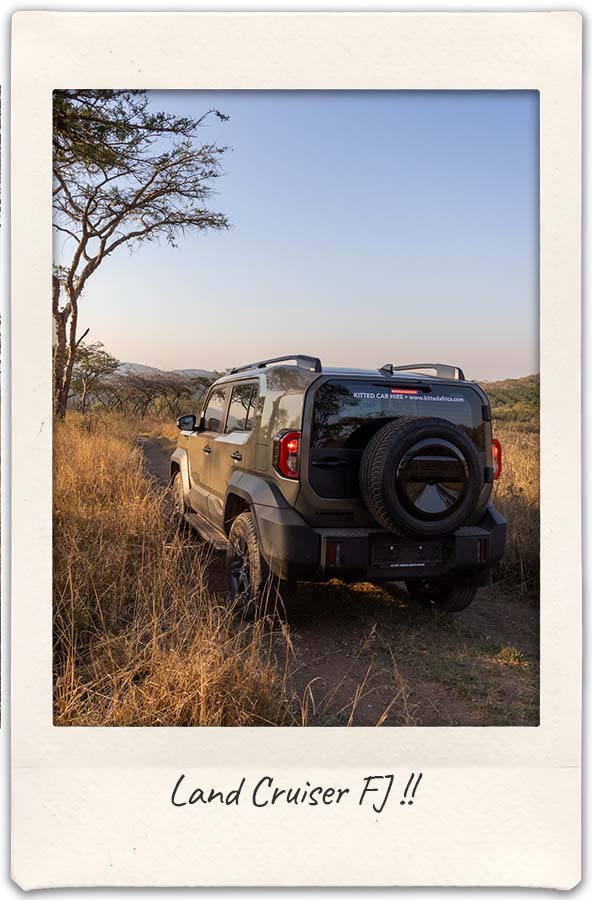
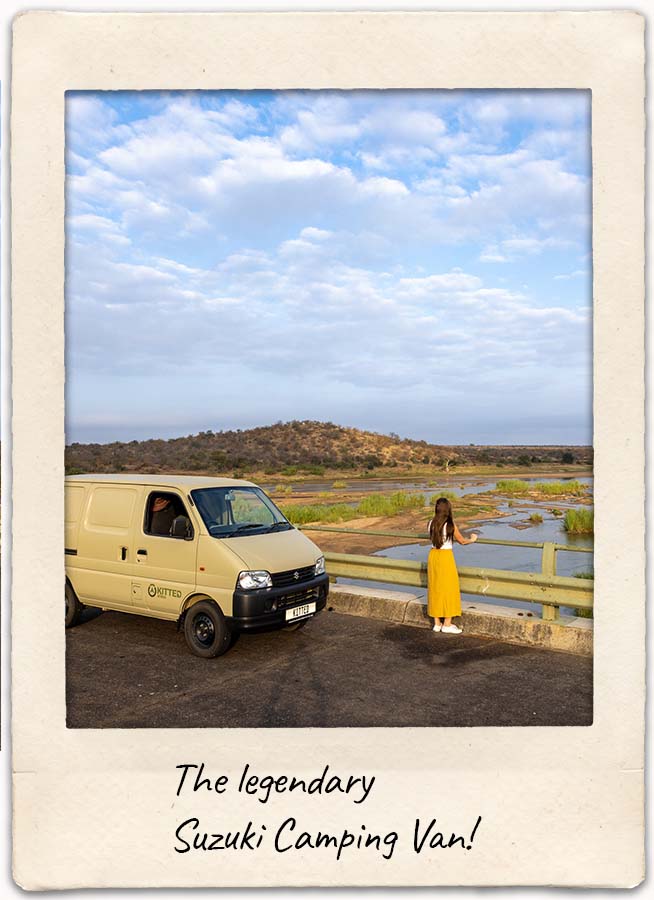
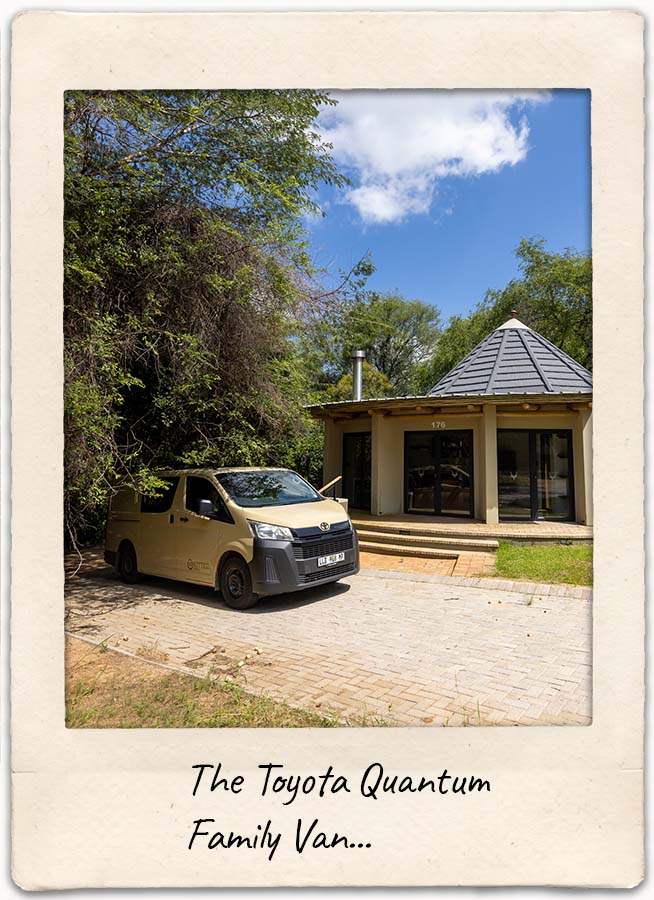
Whether you’re looking for a fun little 4×4, a practical family vehicle or a fully kitted camping adventure, we’ve got a Kruger-ready option to suit the way you want to travel.
What to Pack for Your Kruger Self-Drive
One of the great things about travelling with Kitted Africa is that you don’t need to pack a car full of gear.
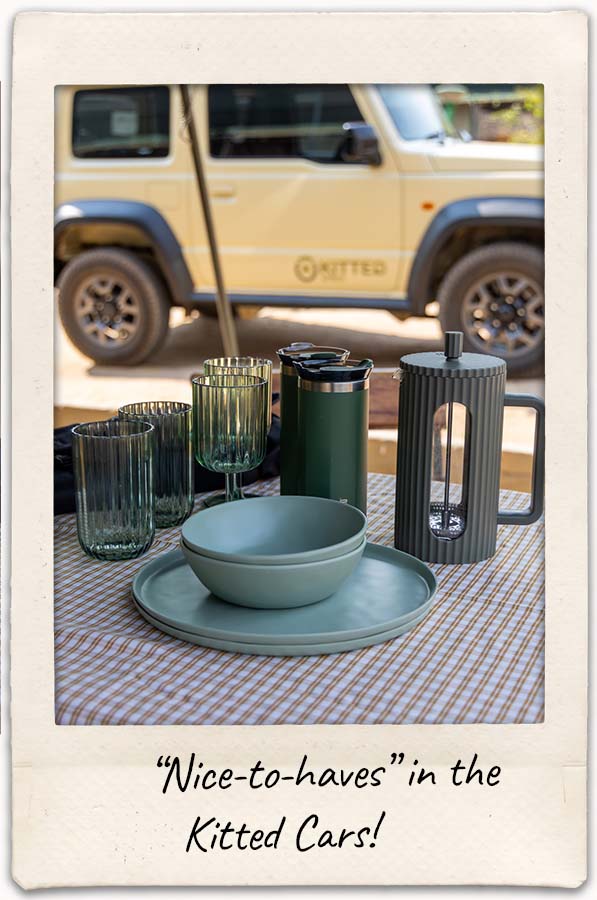
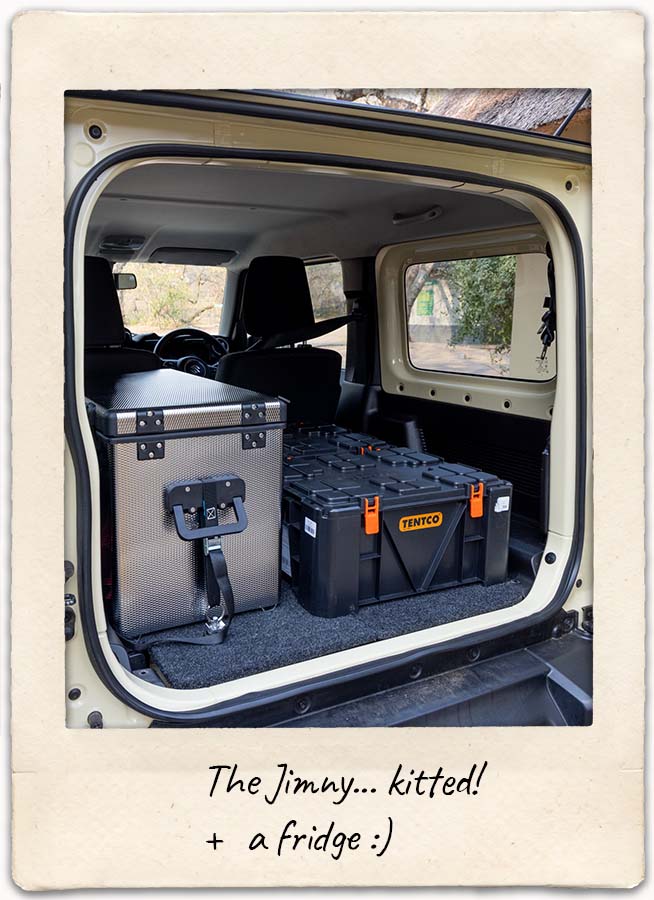
Our vehicles are already Kitted for Kruger, with the practical extras you need for your days in the park. A fridge, coffee press, travel mugs and reusable water bottles are standard in all our vehicles, so even if you’re staying in fully equipped accommodation, you can stop for a proper coffee or picnic whenever the mood takes you.
It’s all about making the most of your time in Kruger — not worrying about what equipment you forgot to bring.
So, what Should You Pack?
Food and Shopping for Your Kruger Self-Drive
One of the joys of a Kruger self-drive is being able to stock up on your own food and settle into the rhythm of the park.
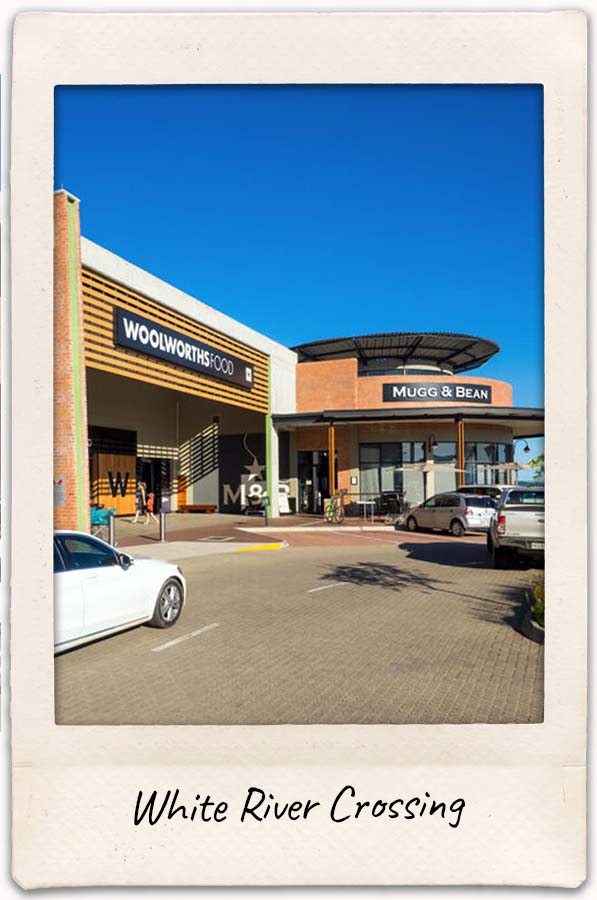
If you’re staying in self-catering accommodation, we recommend doing your main grocery shopping before you enter Kruger. This gives you the widest choice and means you can arrive at your camp with everything you need for the next few days.
And this is where the fridge that comes standard in every Kitted Africa vehicle really comes into its own. Keep your fresh food and drinks cold, pack a picnic for the day and have everything you need for an impromptu coffee stop along the way.
Where to Shop Before Entering Kruger
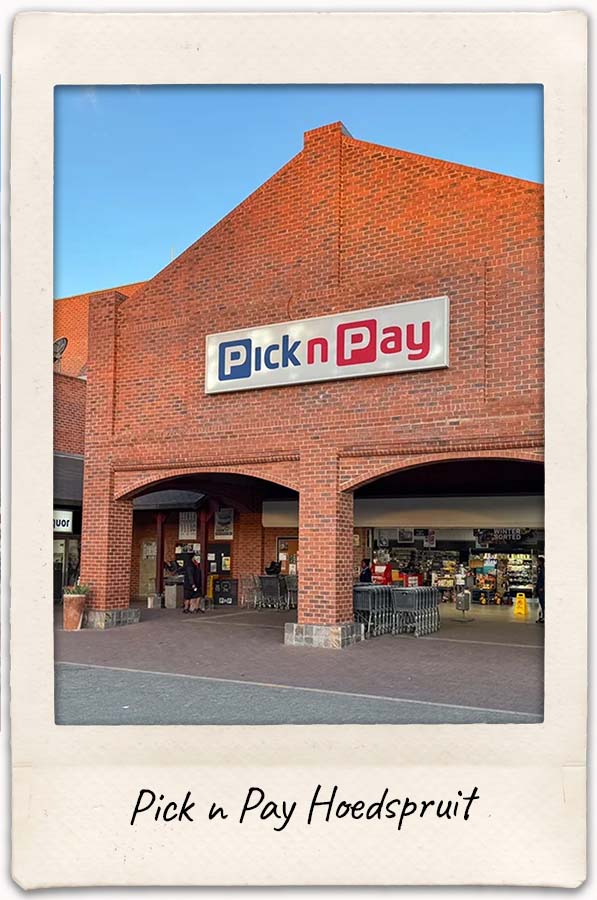
The best place to stock up depends on which gate you’re using:
Numbi, Kruger & Phabeni Gate
Malelane or Crocodile Bridge

Phabeni or Kruger Gate

Orpen or Phalaborwa
We Can Even do the Shopping for You
Don’t want to spend the first few hours of your holiday pushing a trolley around a supermarket?
We can do your grocery shopping for you before you arrive.
Send us your shopping list and we’ll have your supplies ready to go, saving you time and making it possible to get on the road and into Kruger sooner.
It’s one less thing to think about when you’re planning your trip.
Can You Buy Food Inside Kruger?
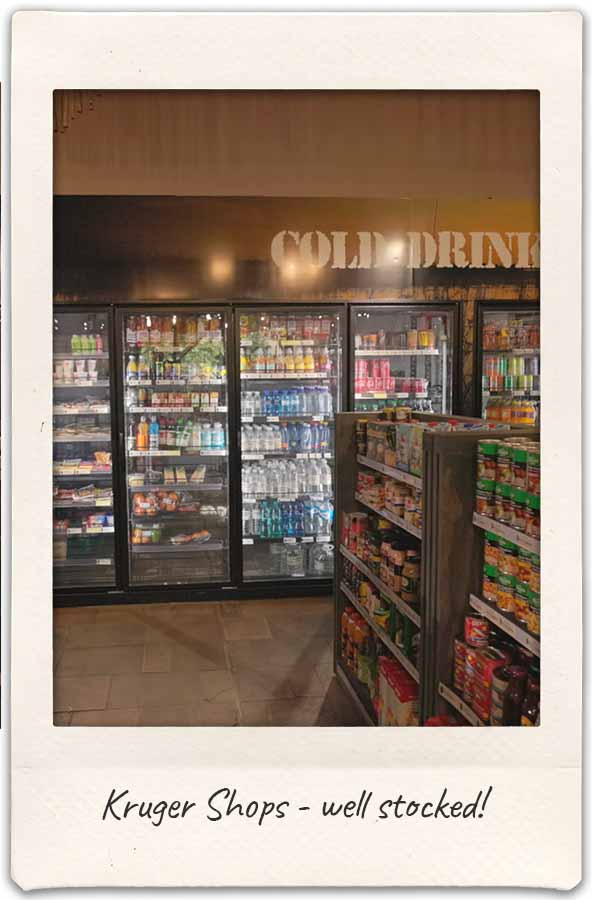
Yes. All of Kruger’s main rest camps have shops selling basic provisions. The smaller bushveld and satellite camps do not have shops, so you’ll need to make sure you have enough supplies before staying at these camps.
The shops are well stocked with baked goods, fresh vegetables, salad, meat, dairy, drinks, etc. It is useful for topping up during a longer trip, but we recommend doing your main shopping before entering the park, particularly if you have specific meals or ingredients in mind.
Eating Out in Kruger
Self-catering doesn’t mean you have to cook every meal yourself.
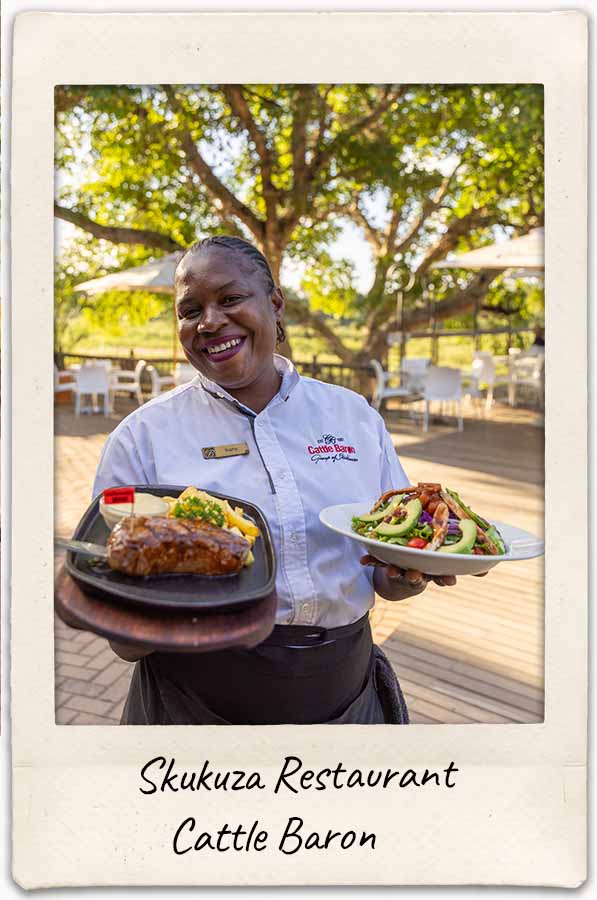
Several of the larger camps have restaurants and cafeterias, giving you the option of taking a break from cooking. At Skukuza, for example, you can enjoy a meal at Cattle Baron overlooking the river, while the Kruger Station offers a restaurant, bar, coffee and quick meals. There are also places such as Nkuhlu picnic site, where you can stop beside the Sabie River for something to eat and drink.
So you can mix it up during your stay — make your own breakfast, pack a picnic for a day out, stop for lunch somewhere along the way and treat yourself to dinner at camp.
Sometimes Dinner Is Part of the Adventure
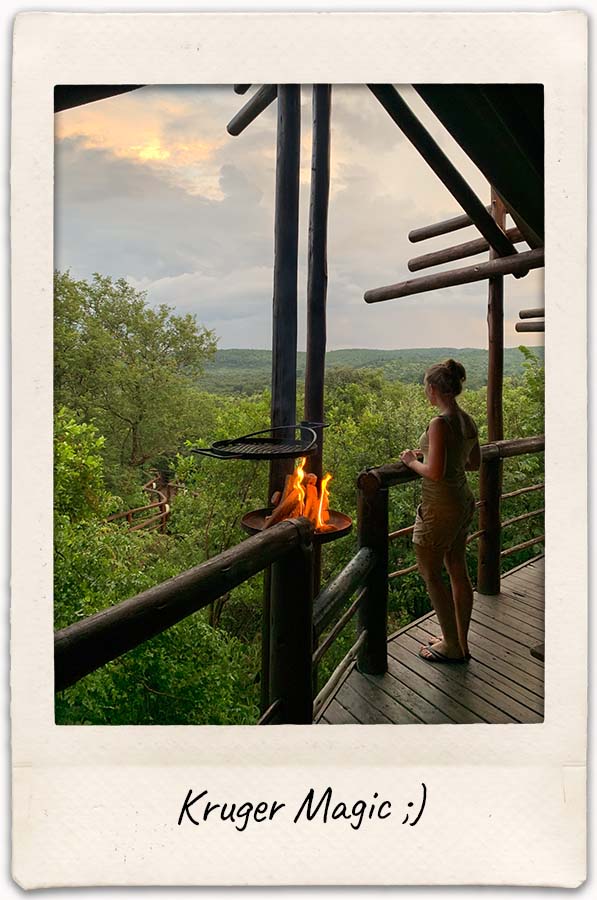
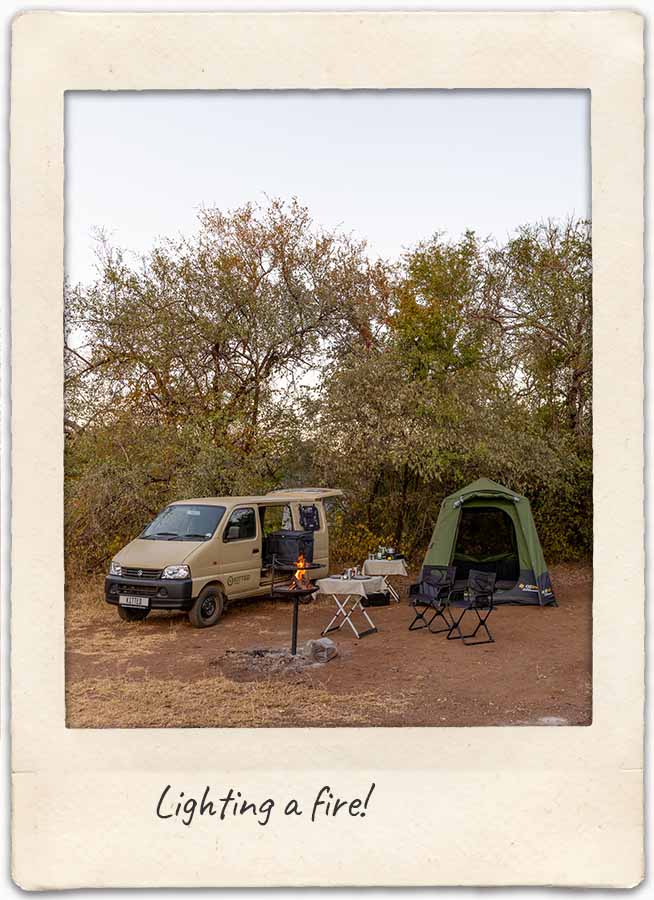
But there’s something special about preparing your own food in Kruger too. After a long day on the road, there’s nothing quite like lighting a fire, preparing a simple meal and sitting outside while the sounds of Kruger come alive around you.
There’s no rush. Just a braai, something good to eat, a drink, and time to reflect on the day’s sightings while listening to the sounds of the African night.
This is one of the things that makes a self-drive so special. It’s a chance to slow down, disconnect from the ordinary and simply enjoy being in the bush.
We’ve put together a simple Kruger Meal Guide with easy, nutritious meal ideas that work well for a self-drive and don’t require you to spend hours in the kitchen.
Planning Your Kruger Self-Drive Route and Itinerary
One of the best parts of a Kruger self-drive is deciding where you want to go and how you want to spend your time. But because Kruger is such a large park, planning your route is important.
Don’t Underestimate the Distances
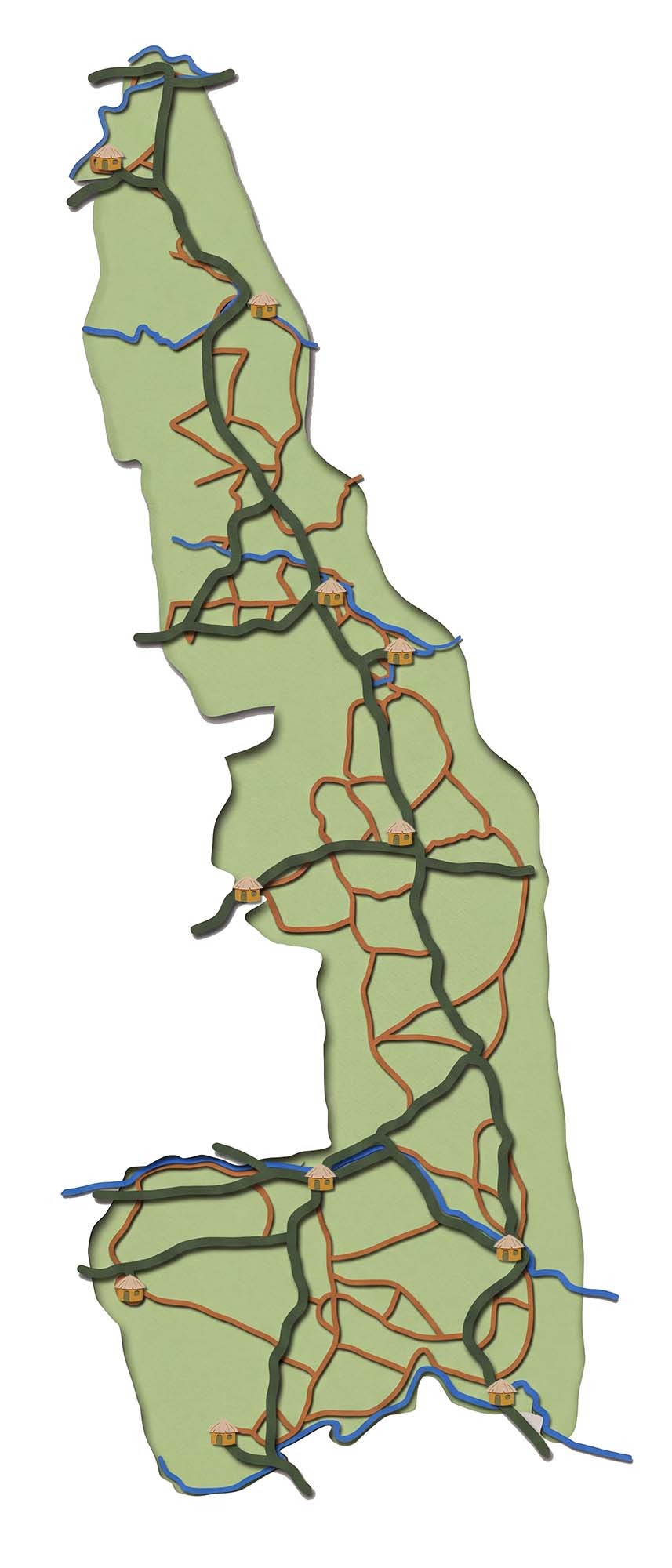
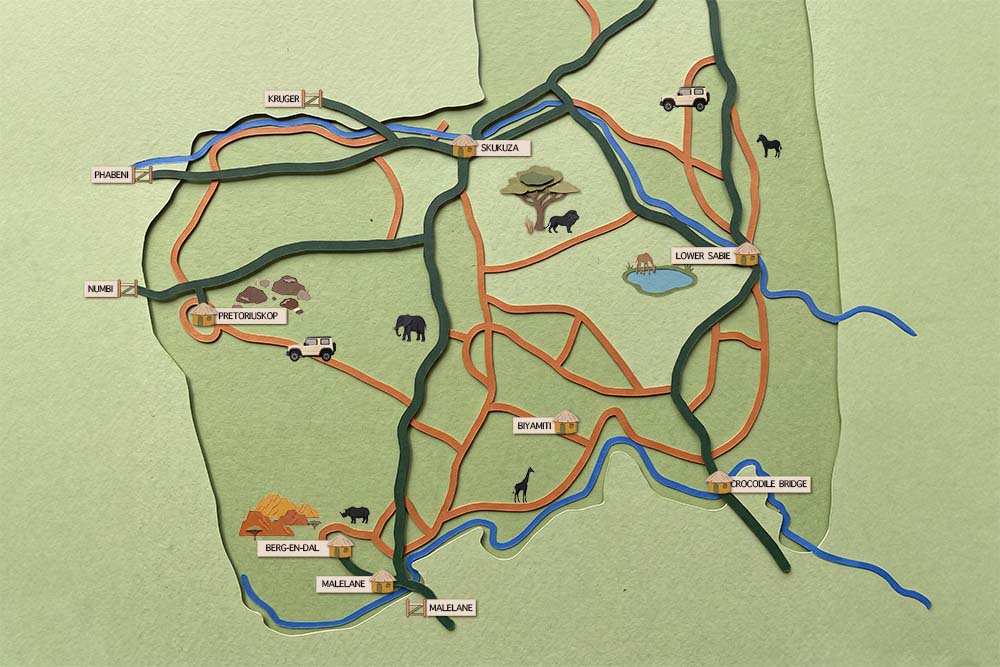
Kruger may look manageable on a map, but the travel time between camps can be much greater than you expect. You need to remember that you’re not travelling at normal highway speeds. You’ll be stopping for animals, taking slower gravel roads, stopping at viewpoints and picnic sites, and hopefully spending plenty of time watching wildlife.
A journey that looks short on a map can easily take several hours.
This is why we recommend building your itinerary around a particular area of Kruger rather than trying to see the entire park in a few days. Give yourself enough time to explore the roads around each camp instead of spending your holiday simply driving from one camp to the next.
Think about your first and last camp, which gate makes sense for your route, and how much time you actually want to spend behind the wheel.
Plan Your Route, But Leave Room for the Unexpected
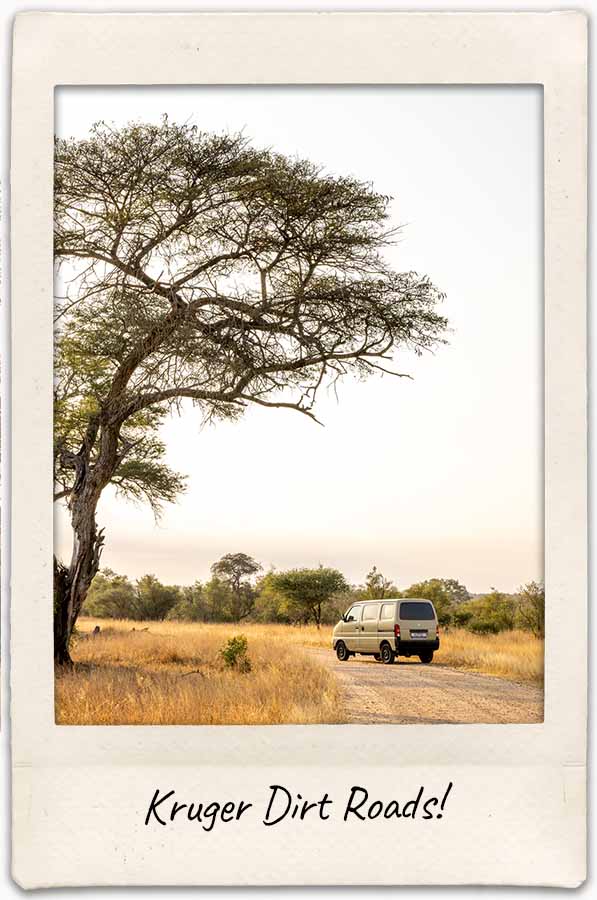
There is no single “best” Kruger itinerary. The right route depends on how many days you have, which areas you’d like to explore, the time of year you’re travelling and what kind of experience you’re looking for.
You might choose to spend a week exploring the south and central areas, travel further north on a longer trip, or base yourself at one camp for a few days and explore the surrounding roads.
Don’t try to squeeze too much into your itinerary. Some of the best Kruger moments happen when you have the time to stop, wait and simply see what happens.
We’ve put together a separate guide with suggested Kruger self-drive routes and itineraries, including ideas for shorter trips and longer adventures.
A Great Book to Take Along
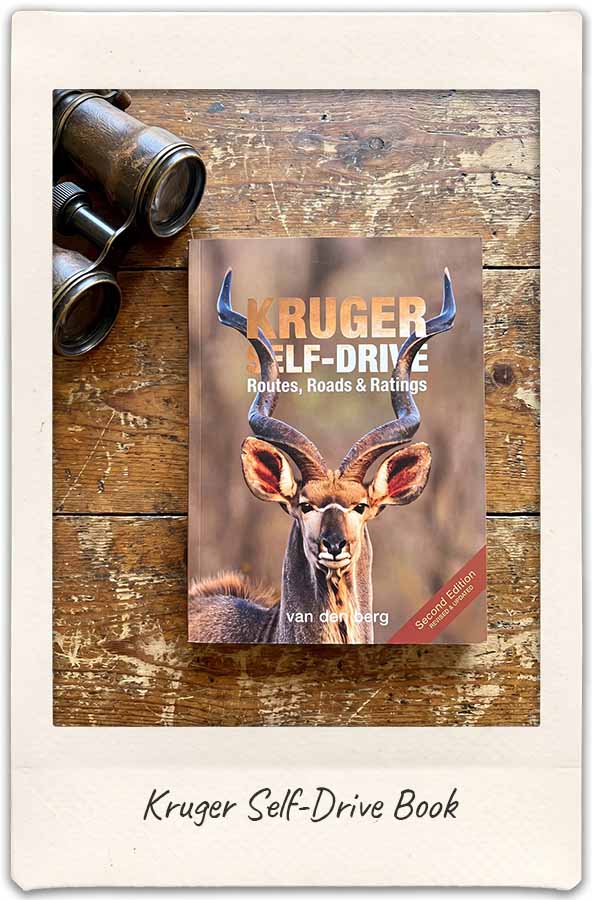
If you’re serious about planning your Kruger self-drive, Kruger Self-Drive by HPH Publishing is a great book to have before and during your trip. It provides detailed information on the park’s roads, camps, routes and wildlife, and is a useful companion when planning where you want to explore.

Download Our Free Kruger Self-Drive Guide
We’ve also created our own Kruger Self-Drive Guide, packed with practical information to help you plan your trip — from choosing your gate and accommodation to selecting your vehicle and getting the most out of your time in the park.
Best of all, it’s completely free to download.
FREE KRUGER GUIDE
Kruger Road Rules & Wildlife Etiquette
A self-drive gives you the freedom to explore Kruger at your own pace, but that freedom comes with responsibility. The park has clear road rules designed to keep visitors, wildlife and the environment safe.
The Basic Road Rules
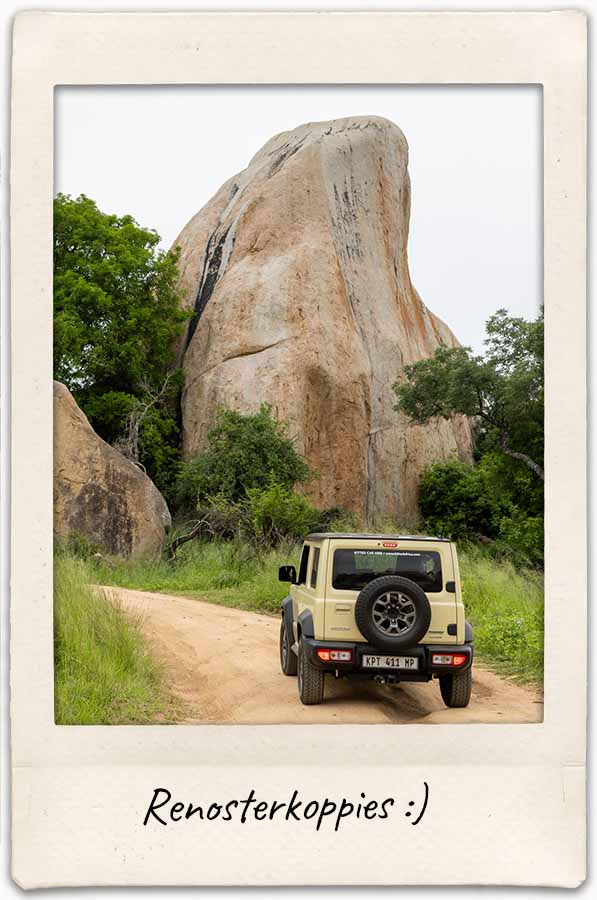
- Keep to the speed limits — the maximum speed is generally 50 km/h on tar roads and 40 km/h on gravel roads, but you’ll often want to drive much slower when looking for wildlife.
- Stay on the designated roads – Never drive off-road or onto closed roads.
- Never get out of your vehicle except in designated areas such as picnic sites, viewpoints and rest-camp areas.
- Give animals the right of way. They were here first!
- Never feed or approach wildlife. Animals that become accustomed to people can become dangerous.
- Don’t use your horn or rev your engine to make animals move. Give them space and allow them to decide where they want to go.
Be Considerate at Wildlife Sightings
When you find a special sighting, remember that you’re probably not the only person who wants to enjoy it.
Keep a respectful distance, don’t block the road and leave enough space for other vehicles to pass. Don’t push your way into a sighting or try to force other vehicles out of the way. If you’re lucky enough to have a great view, enjoy it — but give others a chance too.
And perhaps most importantly, never put yourself or the animals at risk just to get a better photograph.
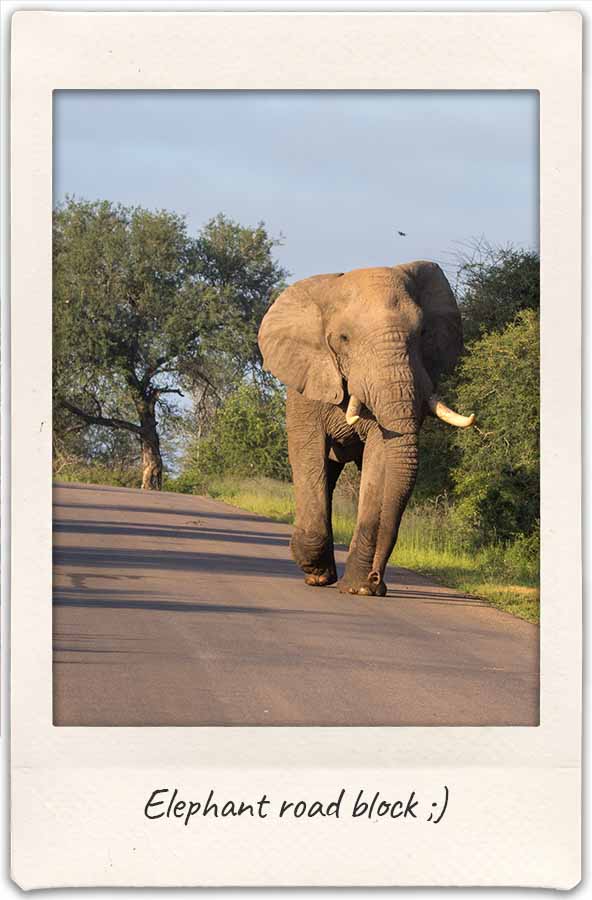
Elephants are a perfect example. Give them plenty of space. We’ve written more about how to safely and respectfully enjoy elephant sightings in Kruger.
Remember: you’re a visitor in their home. Respect the animals, respect the rules and respect your fellow visitors — and everyone gets to enjoy the magic of Kruger.
What Time Should you Drive in Kruger?
If you want the best chance of seeing wildlife, get on the road early.
Animals are often most active in the cooler hours of the morning, and the first few hours after sunrise can be some of the most rewarding time you spend in Kruger. Aim to be at the gate when it opens and make the most of those early hours.
Late afternoon is also be a great time for wildlife viewing as the temperatures start to drop and animals become more active again.
Middays can be enjoyed at a bird hide or relaxing in camp.
Kruger Gate Times
| Month | Gates Open | Camp Gates Open | Gates Close |
|---|---|---|---|
| January | 05h30 | 04h30 | 18h30 |
| February | 05h30 | 05h30 | 18h30 |
| March | 05h30 | 05h30 | 18h00 |
| April | 06h00 | 06h00 | 18h00 |
| May | 06h00 | 06h00 | 17h30 |
| June | 06h00 | 06h00 | 17h30 |
| July | 06h00 | 06h00 | 17h30 |
| August | 06h00 | 06h00 | 18h00 |
| September | 06h00 | 06h00 | 18h00 |
| October | 05h30 | 05h30 | 18h00 |
| November | 05h30 | 04h30 | 18h30 |
| December | 05h30 | 04h30 | 18h30 |
Using the Kruger Map
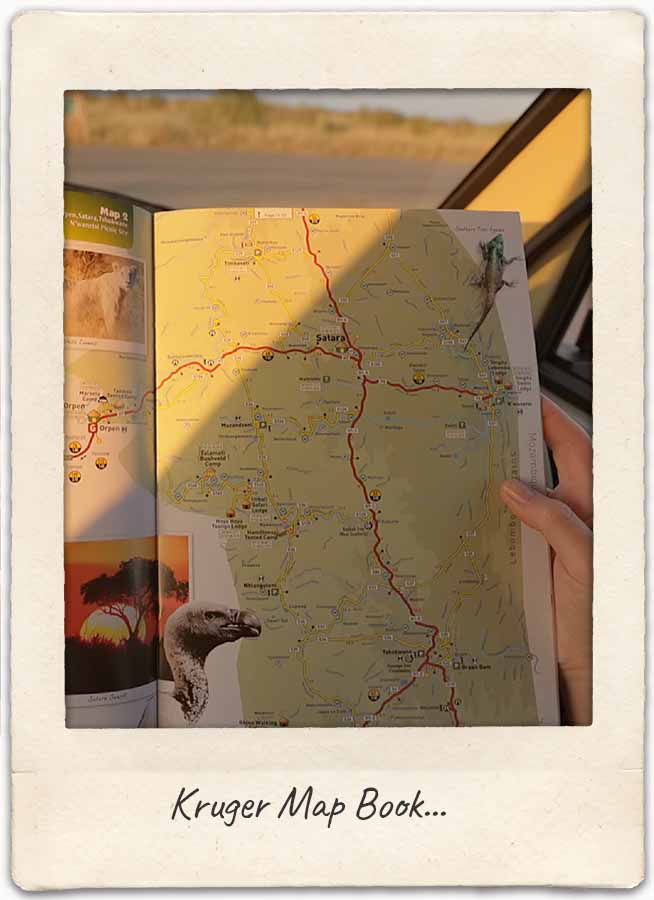
A good Kruger road map is one of the most useful things to have with you on a self-drive. You can purchase a detailed Kruger map book at the camp shops inside the park, or pick one up at Kruger Mpumalanga International Airport (KMIA) before you enter the park.
These aren’t just basic road maps. They show the park’s extensive network of tar and gravel roads, rest camps, picnic sites, viewpoints, waterholes, historical sites and other points of interest.
Having a map with you makes it much easier to see where you are, plan your day and decide which roads you want to explore.
And don’t be afraid to change your plans. You might spot something interesting on the map, hear about a recent sighting, or simply decide that a particular road looks worth exploring. That’s the beauty of a Kruger self-drive — you have the freedom to change direction and see where the road takes you.
Airports & Vehicle Collection
Your Kruger adventure starts the moment you land.
Kitted Africa operates from three convenient airports, where we meet you and hand over your Kitted vehicle. We’ll make sure you have everything you need, explain the vehicle and its equipment, and get you ready for the road.
FlyAirlink offers daily flights to all these airports from OR Tambo (Johannesburg) and Cape Town – visit www.flyairlink.com
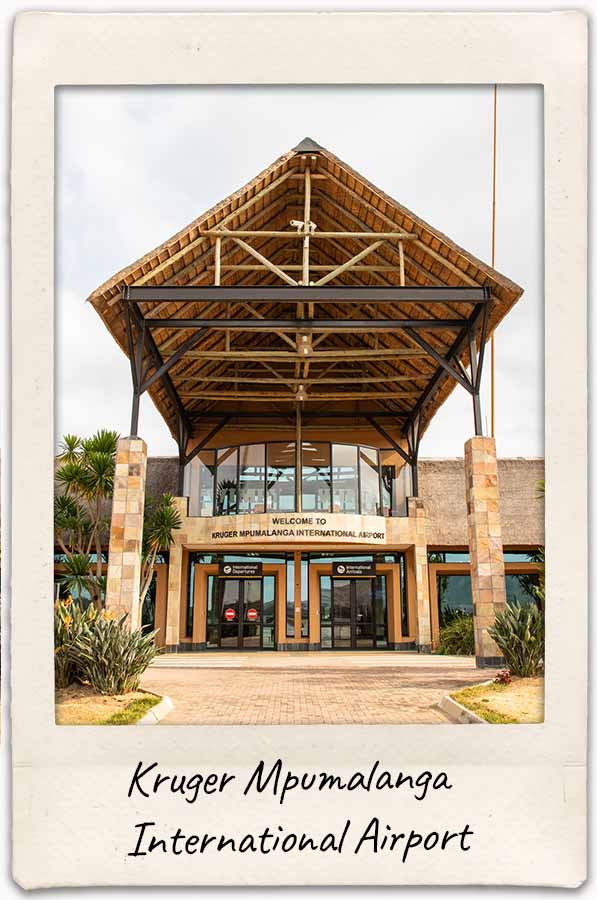
Kruger Mpumalanga International Airport (KMIA)
Our main collection point and home base.
KMIA is the most convenient option for many travellers, with regular flights from major South African cities and easy access to the southern part of Kruger.
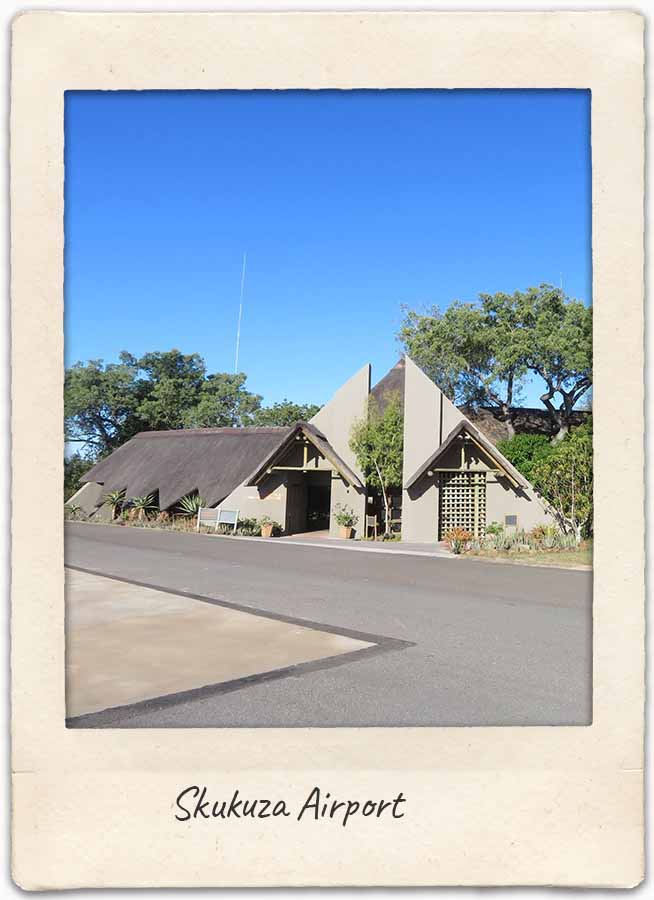
Skukuza Airport
Fly directly into the heart of Kruger.
Skukuza Airport is located inside the park, making it a great option if you want to start your self-drive adventure from within Kruger. Vehicle collection and drop-off at Skukuza are available for a small additional fee.
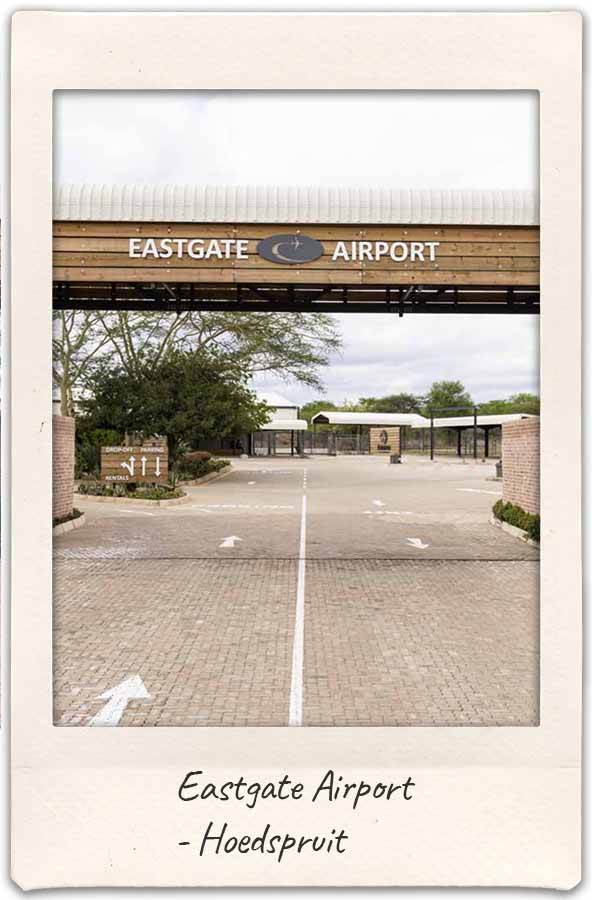
Hoedspruit Airport
A convenient gateway to central Kruger.
Hoedspruit Airport is a good option for travellers planning to explore the central and northern areas of the park. Vehicle collection and drop-off are available for an additional fee.
We meet you there
Whichever airport you choose, we’ll meet you when you arrive and get you Kitted for your Kruger adventure.
No searching for a rental desk or trying to navigate an unfamiliar rental process. You’ll meet us, collect your vehicle and be ready to start exploring.
First-Time Kruger Self-Drive Mistakes to Avoid
Your first Kruger self-drive is an adventure, and you’ll quickly develop your own way of doing things. But there are a few common mistakes that can make your trip more rushed or less enjoyable than it needs to be.
1. Trying to See Too Much – Don’t try to cover the entire park in a few days.
Kruger is enormous, and the distances between camps can take much longer than you expect. Moving every night simply to tick off another area can leave you spending more time packing, checking in and driving than actually enjoying the park.
Choose an area, slow down and give yourself time to explore it properly.
2. Following Game-Viewing Vehicles –Don’t automatically follow the crowd.
Game-viewing vehicles can be useful when they have found something special, but following them from sighting to sighting often means arriving at an already crowded scene. You can end up sitting in traffic with ten or twenty other vehicles, all trying to get the same view. Instead, give it time. Explore your own roads. Stop at a waterhole. Take the quieter road. Your own magical sighting might be waiting just around the next corner. Some of our favourite Kruger moments happen when there isn’t another vehicle in sight.
3. Driving Too Fast
It’s easy to get caught up in trying to reach the next camp or cover more kilometres.
But Kruger isn’t a place to rush through. Drive slowly, take in the bush and pay attention to what’s happening around you. You can miss an incredible sighting simply because you were driving too fast to notice it.
4. Spending All Day Looking for the “Big Five” – Kruger is an ecosystem, not a checklist.
Lions, leopards, elephants, rhino and buffalo are exciting to see — but don’t make them the only reason you’re looking out of the window.
Stop for birds. Watch a family of mongoose crossing the road. Look at the landscapes, trees and smaller animals. Notice the changing light and the sounds around you.
5. Changing Camps Too Often
One night here, one night there might look like a great way to see more of Kruger. In reality, it can become tiring.
We recommend staying at least two nights where possible. This gives you time to settle in, explore the surrounding roads and enjoy your camp rather than constantly packing and unpacking.
6. Forgetting to Enjoy the Camp
Don’t feel that you have to spend every waking hour in the vehicle. Have a slow breakfast. Make a coffee. Sit outside. Enjoy your lunch. Light a fire in the evening and listen to the sounds of the bush.
Sometimes doing nothing in Kruger is exactly what you should be doing.
7. Trying to Plan Every Minute
A good itinerary is important, but leave some space for spontaneity.
You might hear about a sighting, discover an interesting road on the map, find a quiet picnic spot or simply decide that you want to stay at a waterhole for another hour.
Plan enough to make your trip work — but leave enough room for Kruger to surprise you.
8. Forgetting That You’re in Their Home
Finally, remember that Kruger is a wild place. Respect the animals, keep your distance, stay in your vehicle where required and never try to influence an animal’s behaviour for a better photograph or sighting.
You are a visitor in their home.
And perhaps the biggest lesson of all?
Slow down. Give it time. Look around.
You don’t need to chase Kruger. Let Kruger come to you.
Ready to plan your Kruger self-drive?
You don’t have to figure it all out yourself. From choosing the right vehicle and deciding where to stay, to planning your route and booking your Kruger accommodation, Kitted Africa can help you put the whole trip together.
We know Kruger, we know self-drive, and we’re here to help you make the most of your time in the park — without making things complicated.