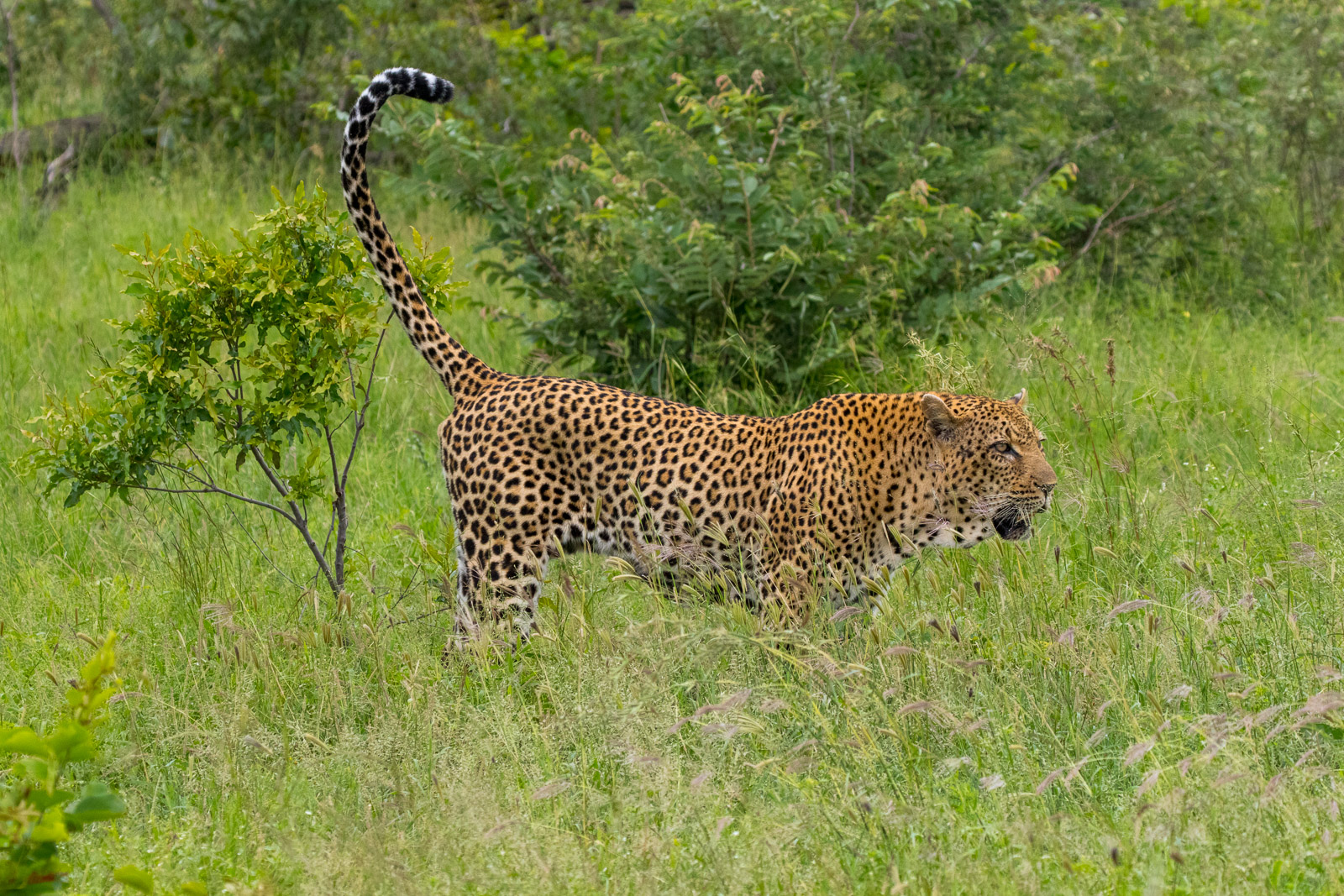
A Guide to Visiting Kruger in Summer
A Guide to Visiting Kruger in Summer

Summer might just be the best time to visit the Kruger National Park. Generally, most information out there points to winter in Kruger as safari season. And we get it – the days are cooler, there is very little chance of rain, and the bush is not as dense and overgrown making game viewing a little easier. So, winter has its advantages. But in this blog, we want to highlight why the Kruger National Park is still a great place to visit during the summer months.
If you prefer to watch a video, watch the Summer Series by The Safari Expert
Seasons in the Kruger National Park are as follows:
- Summer: December – February
- Autumn: March – May
- Winter: June – August
- Spring: September – November
Winter is considered the high season for most Kruger safari destinations, along with the shoulder season over the months of September and October before the rain starts to arrive in November. During early spring, the bush is still very dry after the long winter, so animals do congregate more at water sources and along rivers. But apart from that, the bush is considered less overgrown that is ideal for game spotting.
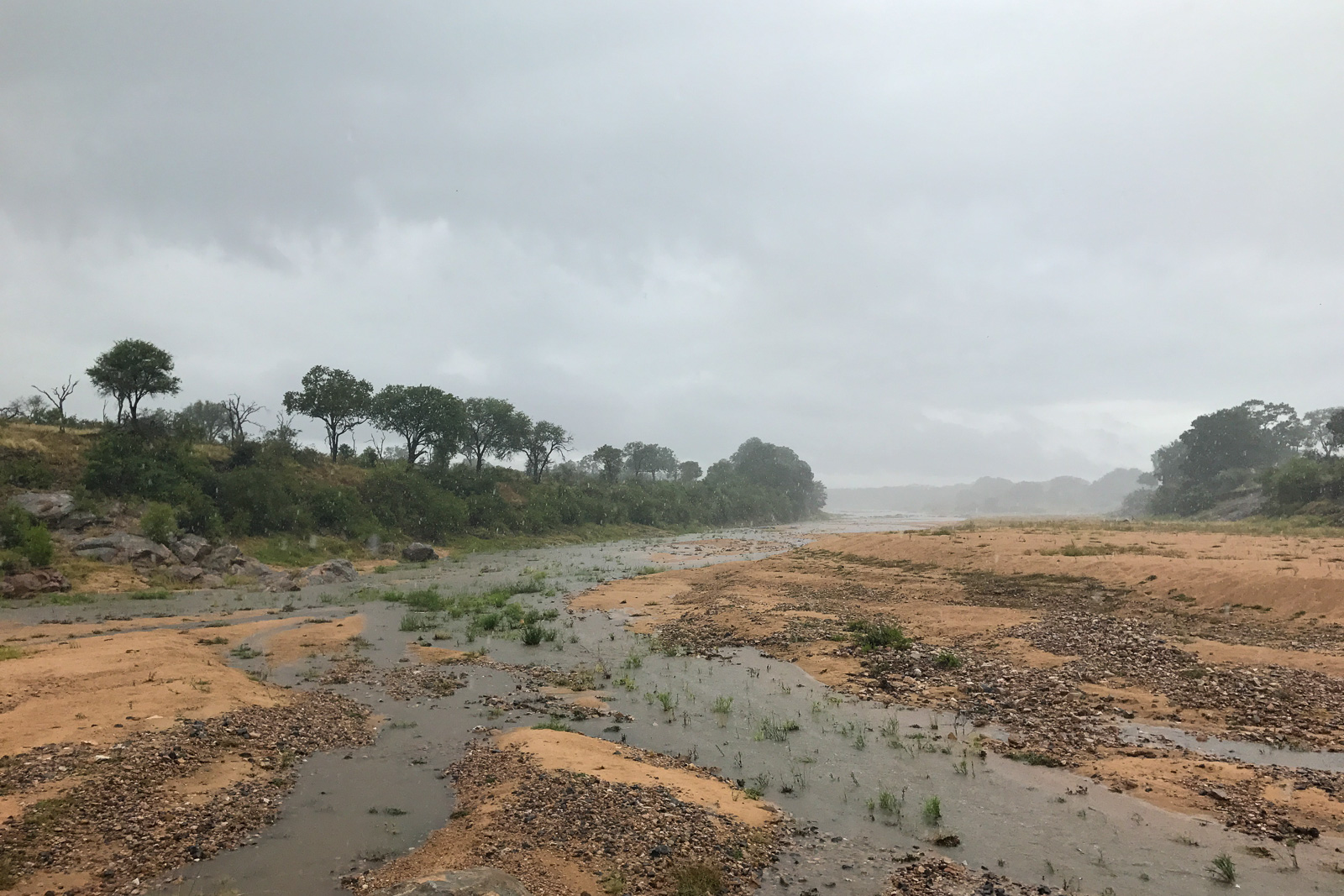
The rain starts to arrive in Kruger around November. It is when things begin to grow and the bush takes on a beautiful green colour palette. This is when Kruger becomes alive!
What is Kruger like in Summer
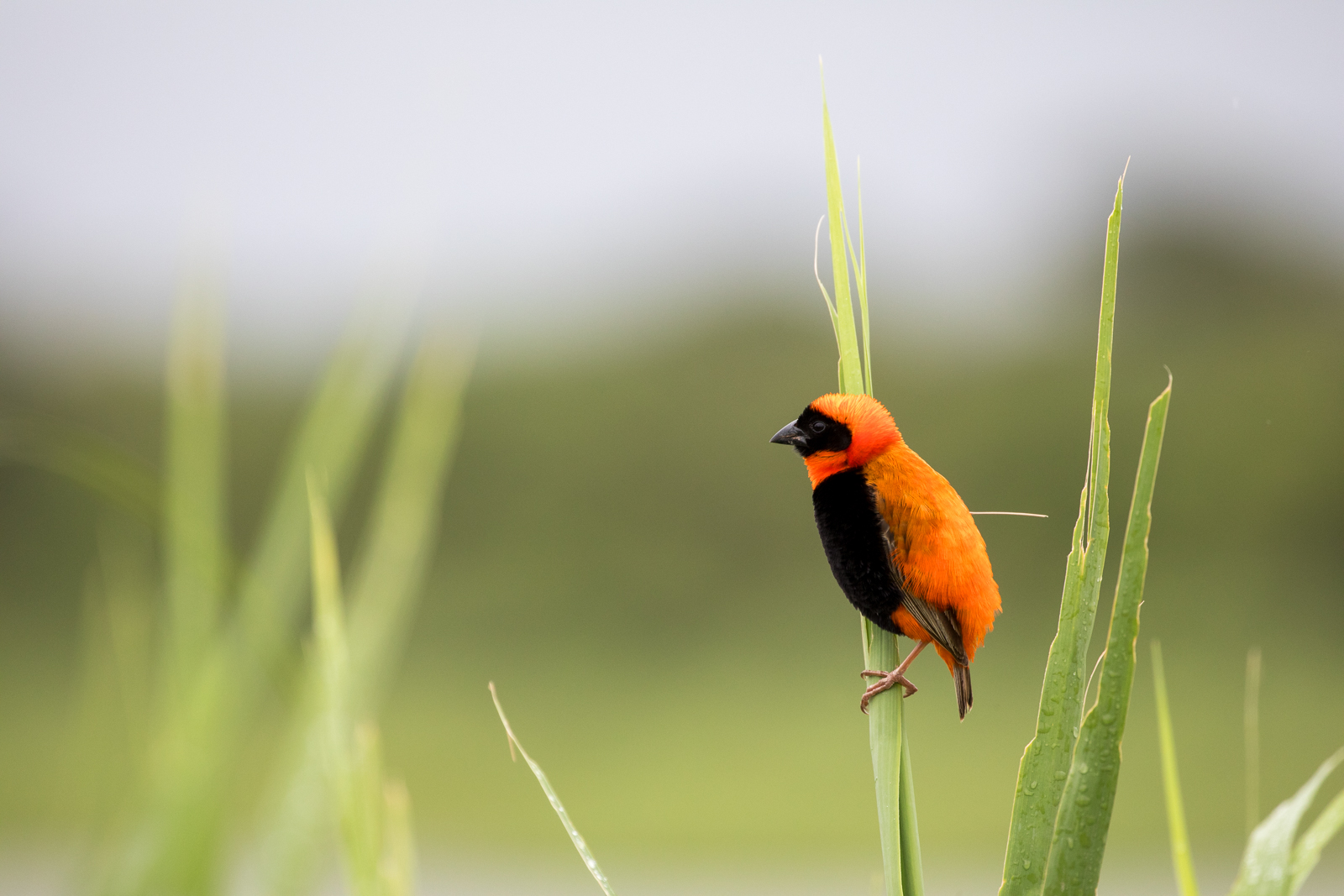
The Kruger National Park in summer is beautiful! Gone are the dry and dusty days, but instead, the bush has taken on a beautiful display of green and growth. The rivers are flowing and if you are a birdwatcher, this is the time when birds are vocal and active – the breeding migrants have returned, and all the birds are a hive of activity as they call, find mates, breed and flourish on the abundant insect life. The bird song in summer is truly remarkable.
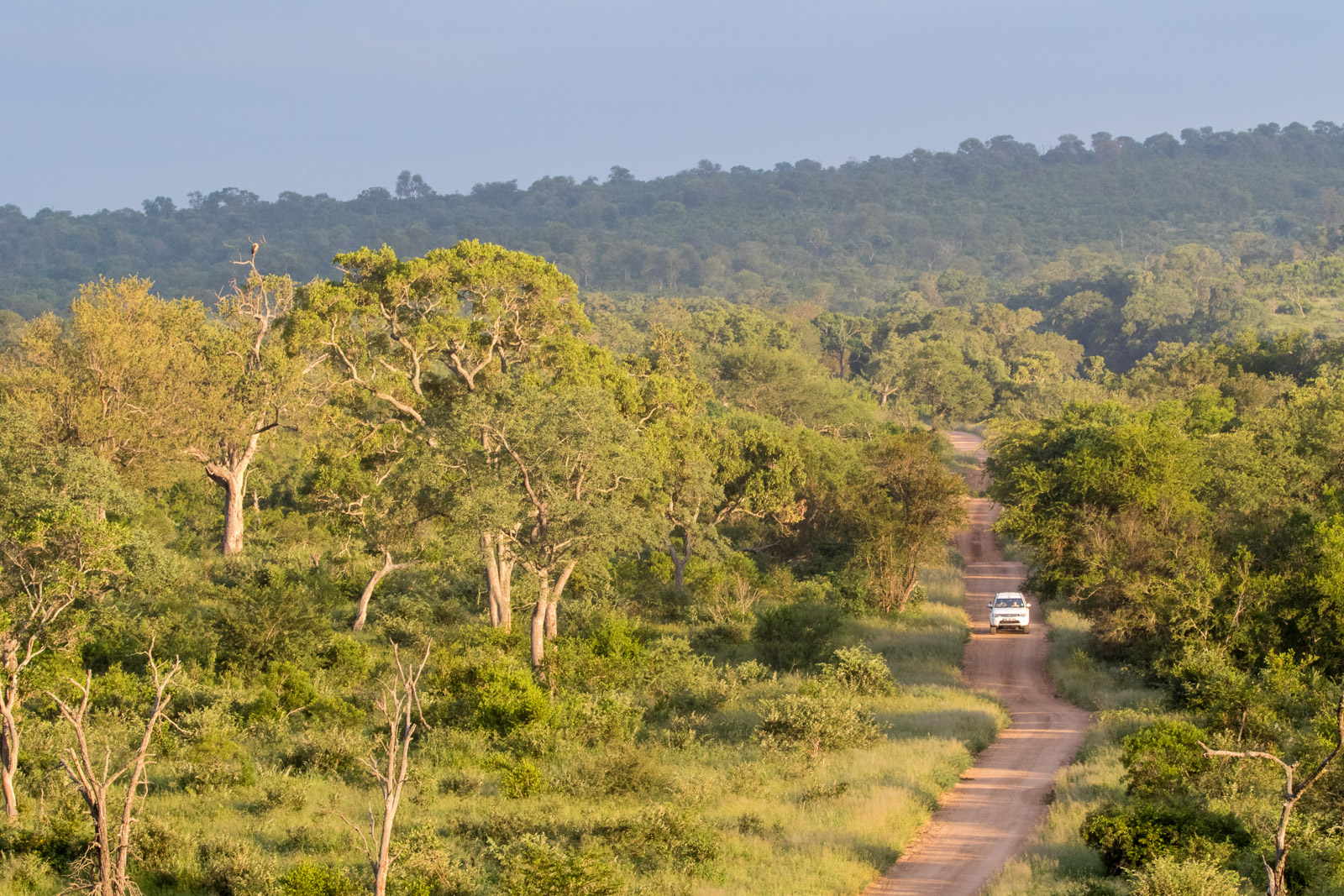
Summer however can get hot with a high humidity. That is why it is best to go out on game drive as the gates open early in the morning, and again before they close late in the afternoon to give yourself the best chances of spotting the big cats before they retire to the shade of a tree. Chances of afternoon showers are good. Even though days can be hot, you will often find yourself enjoying a pleasant, cooler, overcast day out in the bush. But don’t be deterred by the heat because when staying in Kruger rest camps, most have pools where you can go and cool down. Or you can rest under the shade of a tree on the campgrounds or enjoy some down time in your airconditioned bungalow. And, of course, our kitted rental vehicles are air-conditioned too!
Are there better summer months to visit than others?
Early summer, just before the South African school holidays start towards mid-end December, Kruger is way less crowded. You will often find yourself the only one at sightings, and it is a beautiful time to be out in the bush, parking off under a shady tree and just enjoy the landscapes.
If you want to see rivers flowing and the peak of the “green” season, then January/February is a great time. Mid-January to February is also less crowded making it ideal if you want to avoid crowds.
What are the advantages of visiting Kruger in Summer?
- Beautiful and green
- Less crowded
- Lots of baby animals around
- Best time for bird watching
- The bush is “alive” with insects and other life! Look out for that dung beetle crossing the road only in summer!
- Camp gates open as early as 04h30 for that special early morning game drive – an hour before any day visitors can enter the park
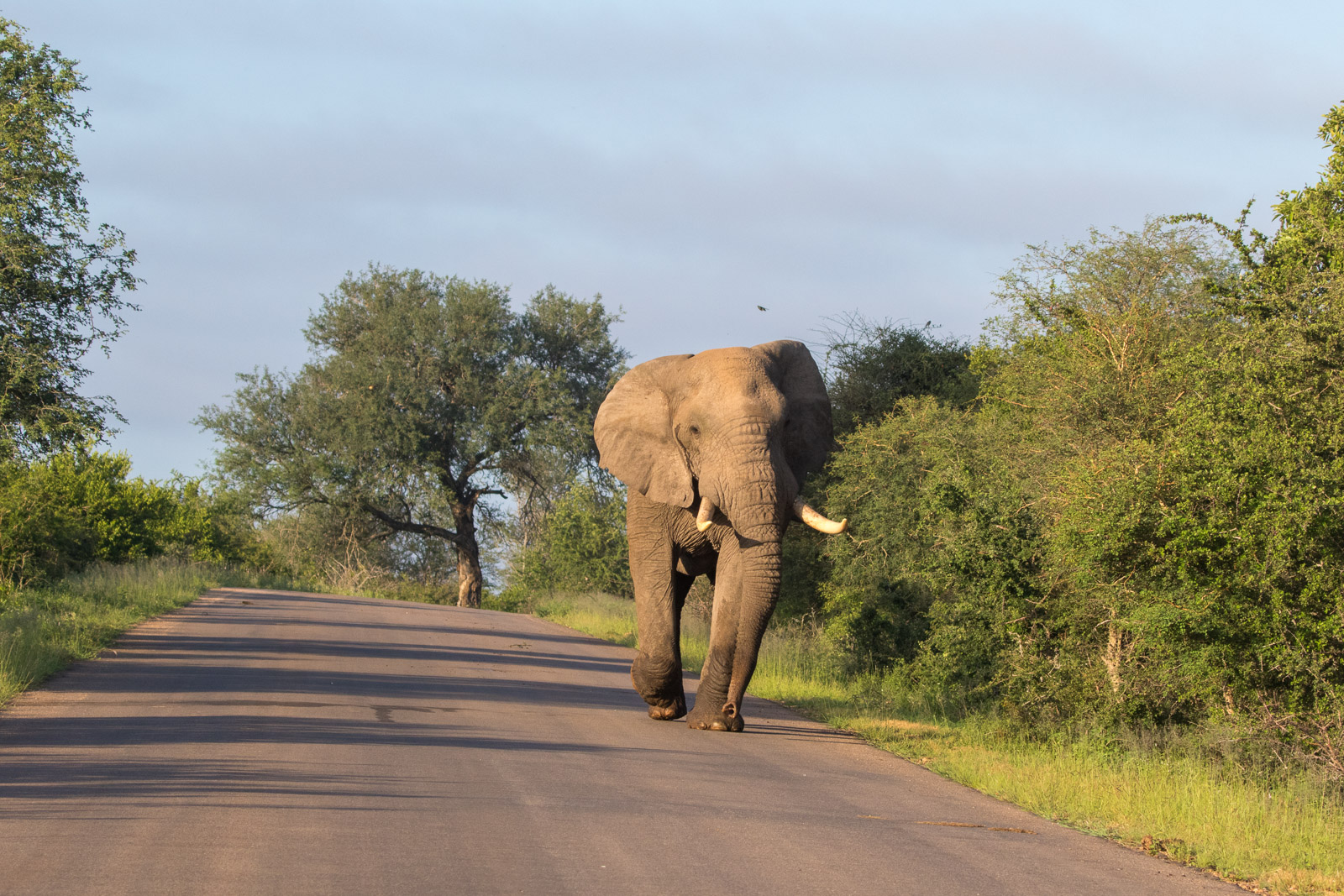
- Animals are often in the roads avoiding the long, wet grass

What are the disadvantages of visiting Kruger in Summer?
- It can get hot and humid
- More chances of rain
- Dense bush can make game viewing tricky
Wildlife to Look Out for in Summer
- Baby impalas and other newborn antelope
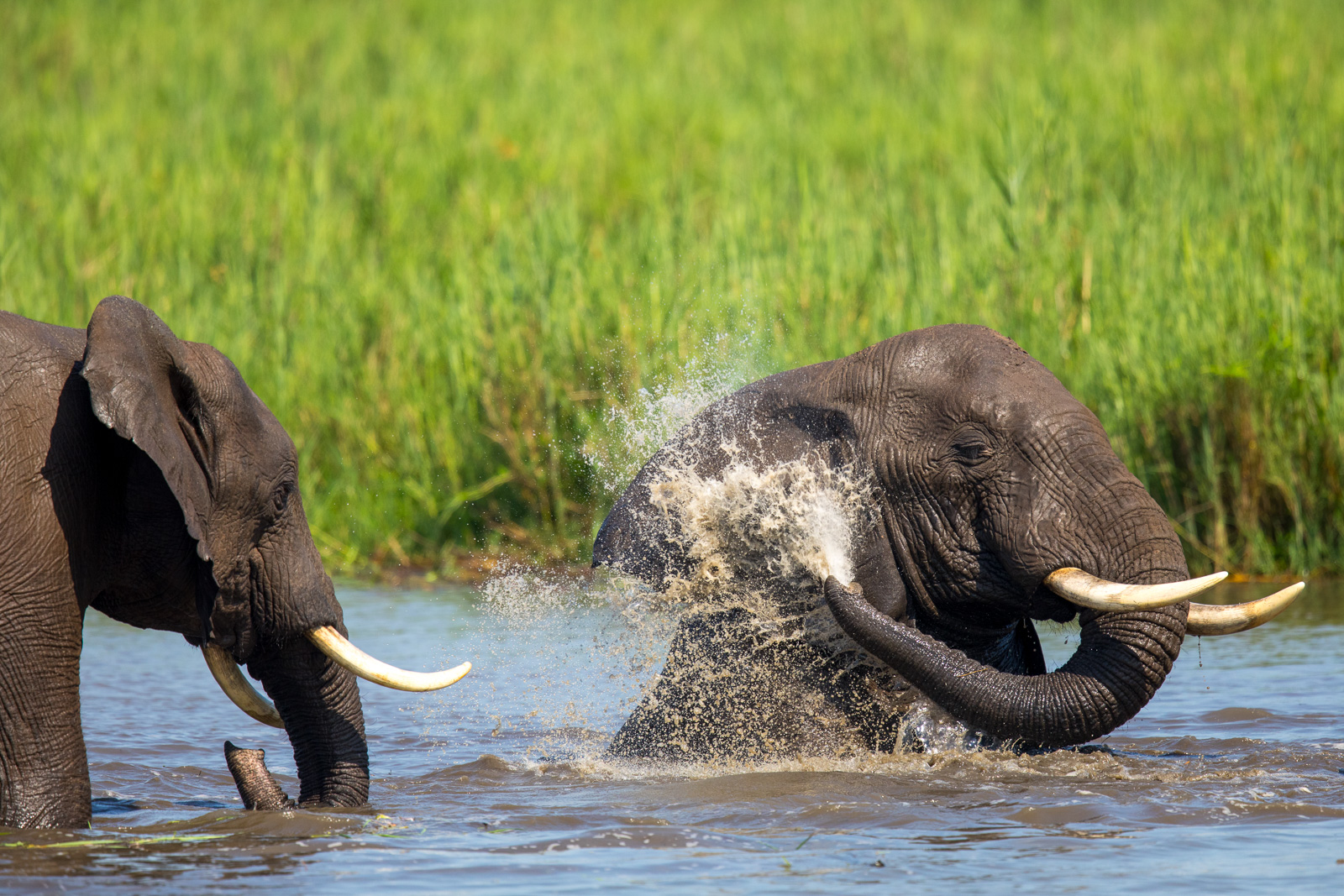
- Elephants enjoying rivers and waterholes
- Migratory birds and birds in breeding colours
- Dung beetles rolling dung balls across roads
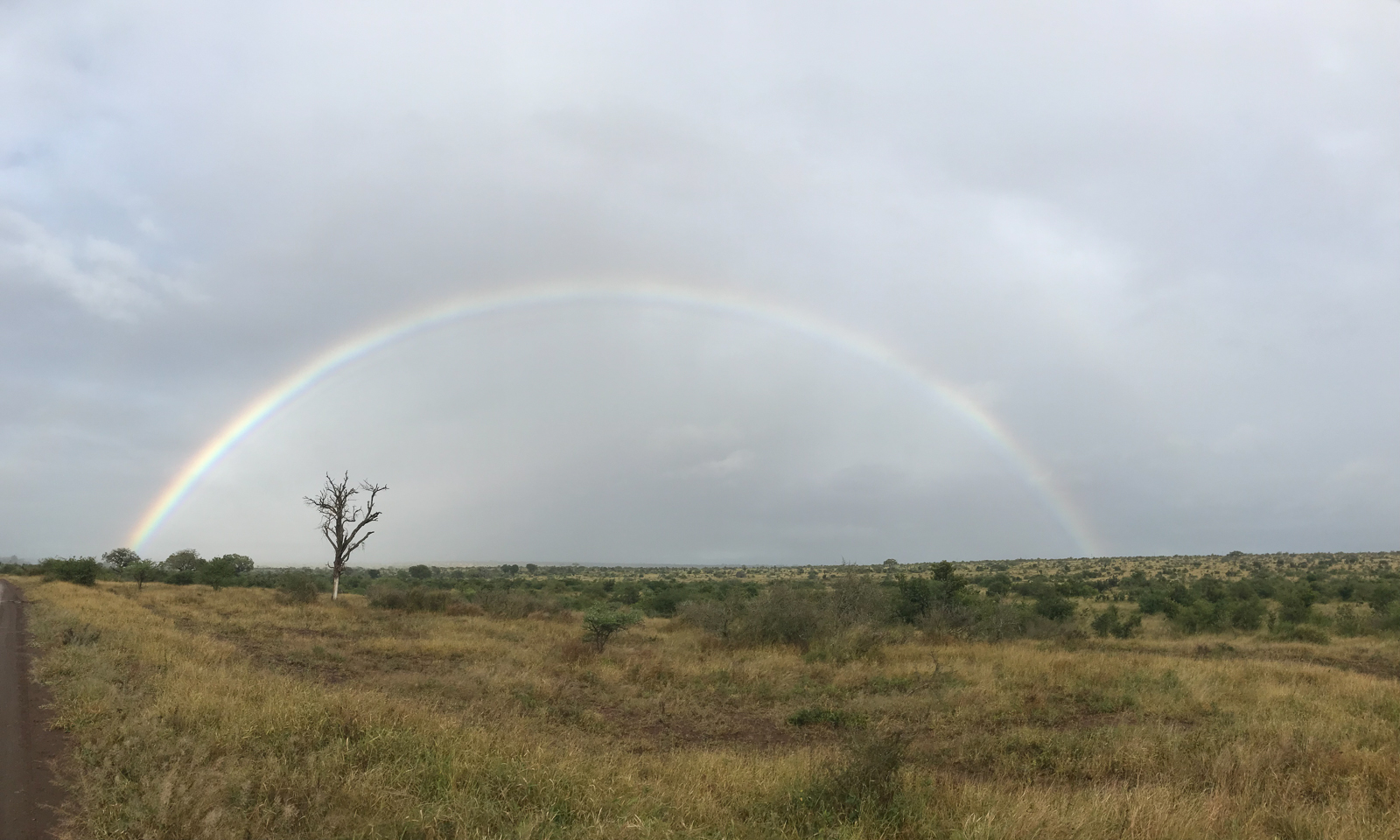
- Dramatic afternoon thunderclouds
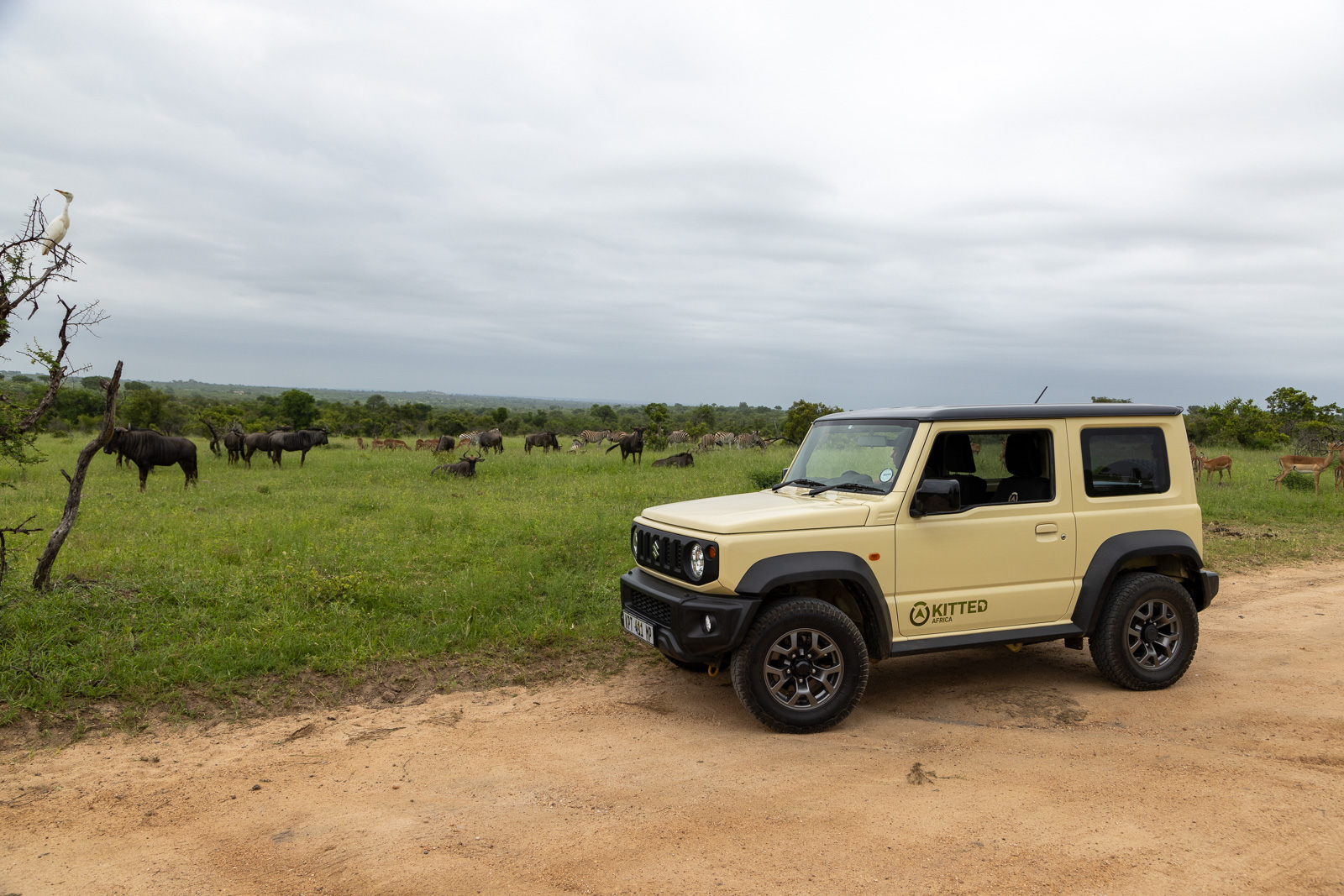
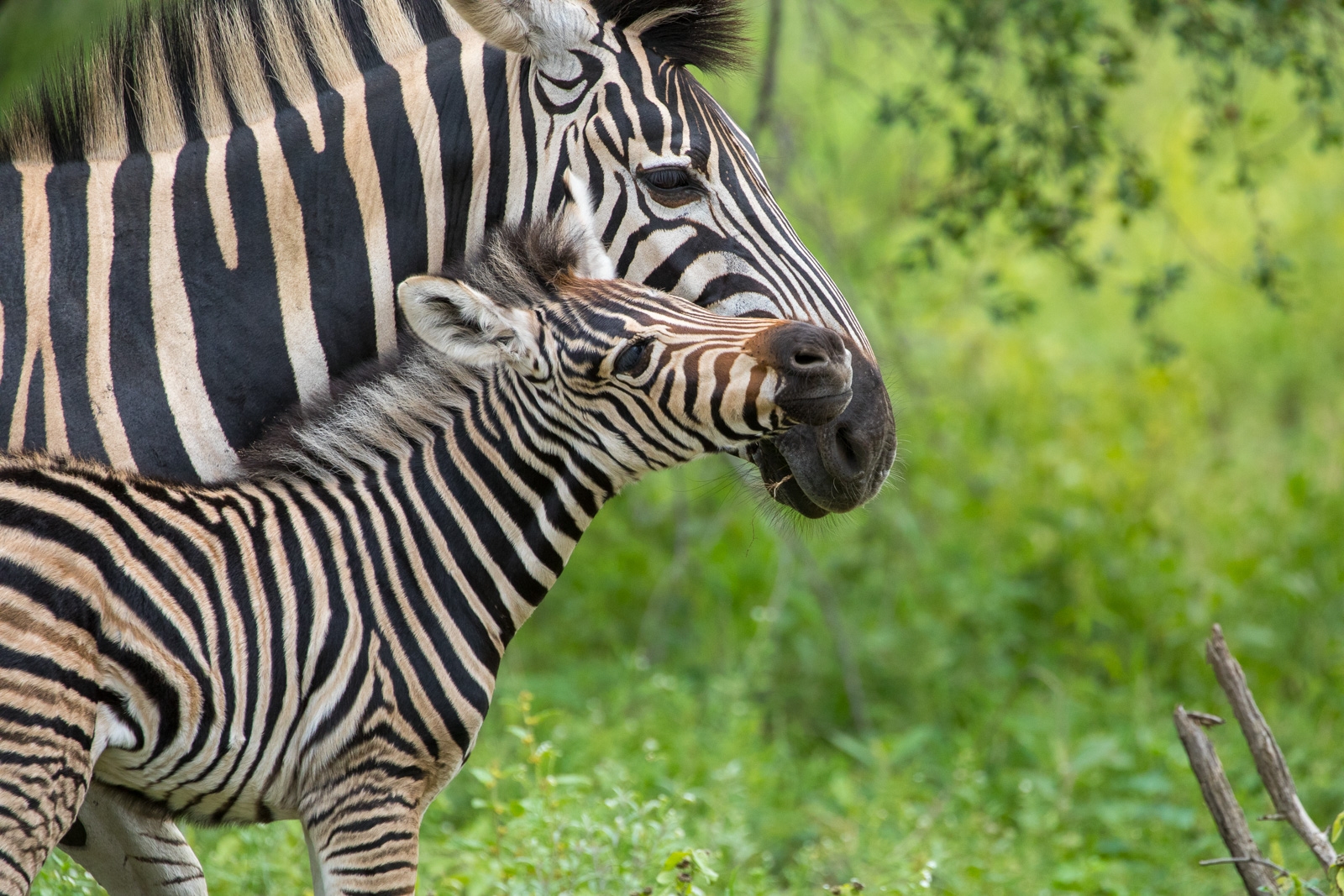
Summer is a wonderful time for wildlife activity in Kruger. Many antelope species give birth during the rainy season, so visitors often see young impala, wildebeest, zebra and other animals learning to navigate life in the bush. These newborns also attract predators, making it an exciting time for predator sightings.
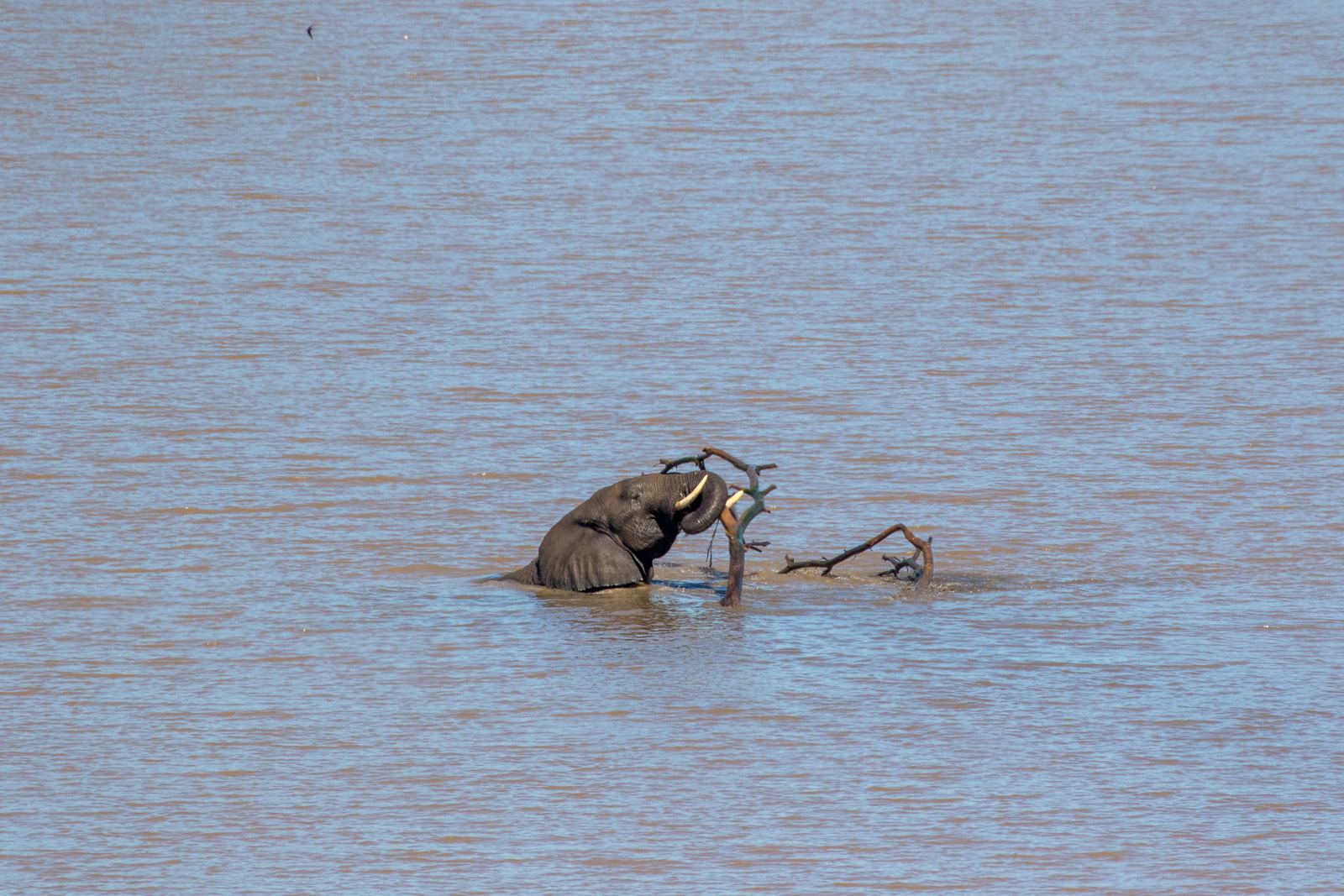
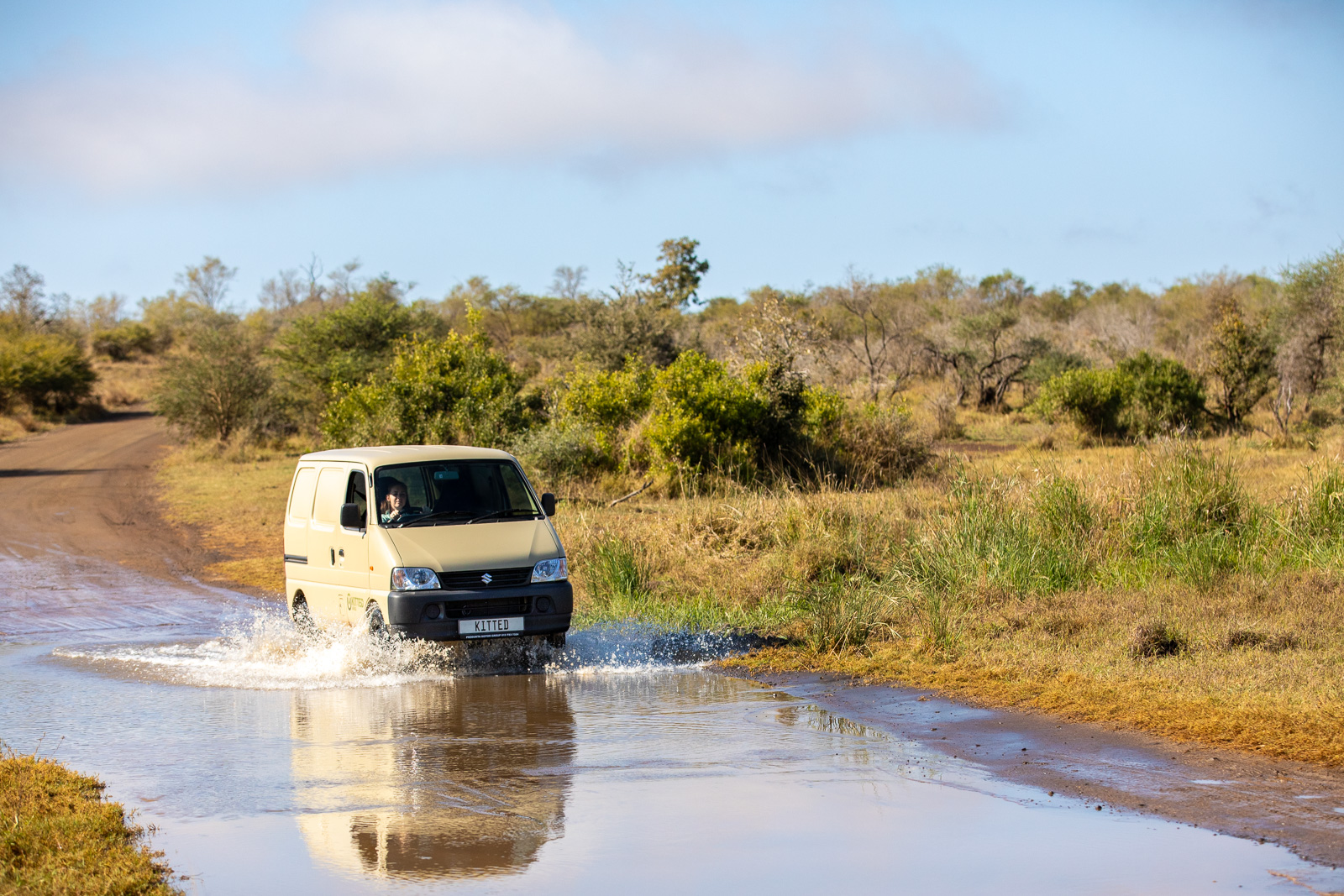
Elephants are also especially enjoyable to watch in summer as they spend time cooling off in rivers and waterholes.
Summer Storms in Kruger
Afternoon thunderstorms are a common feature of the Kruger summer. These storms are usually short-lived but spectacular, often bringing dramatic skies, fresh smells of rain, and cooler temperatures afterwards.
Game drives just after a summer storm can be incredibly rewarding, as animals often become more active once the temperature drops.
Photography in the Summer Months
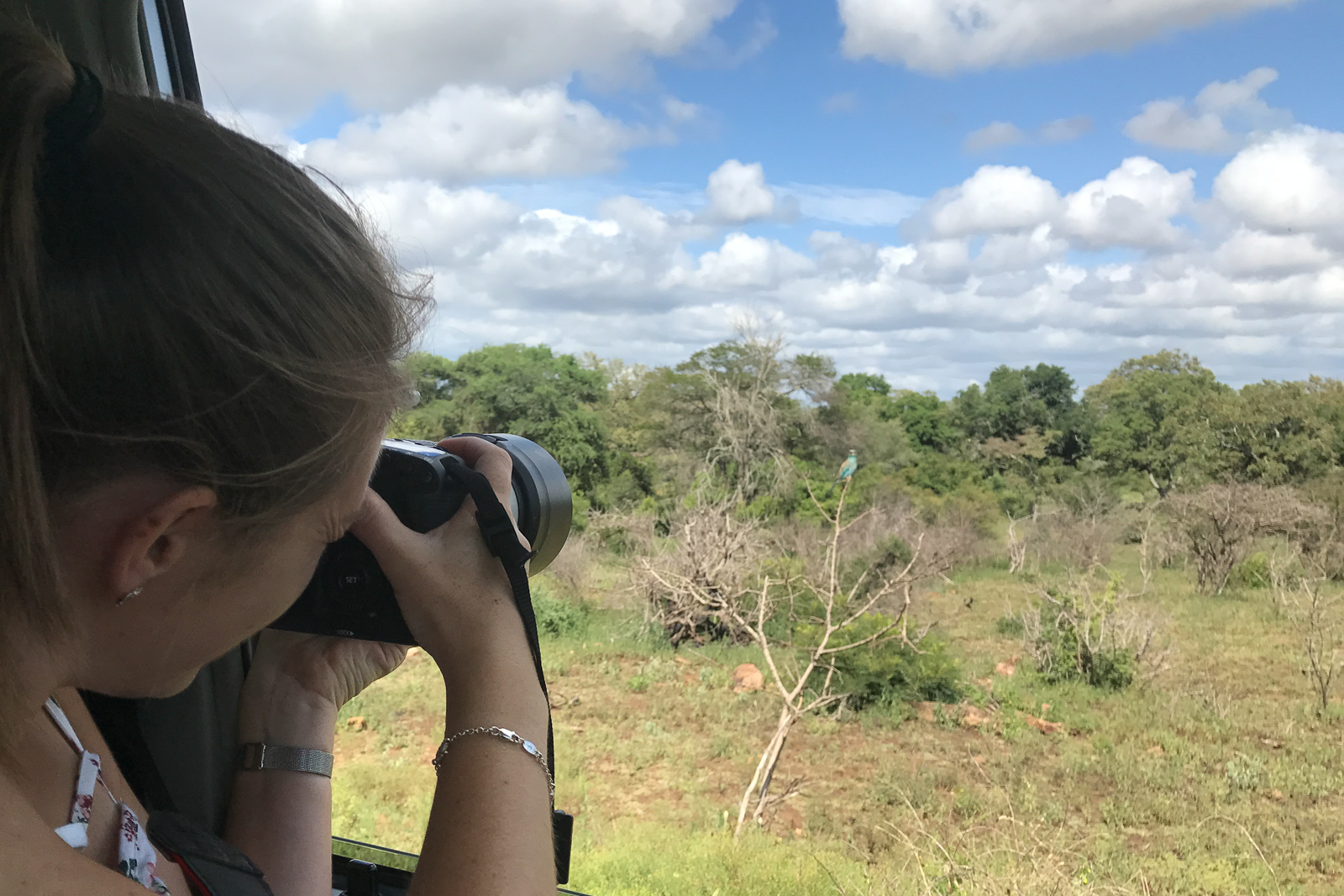
Summer offers beautiful photographic opportunities in Kruger. The green landscapes, dramatic clouds, and afternoon storm light create striking scenes. Not to mention the opportunity to capture cute baby animals!
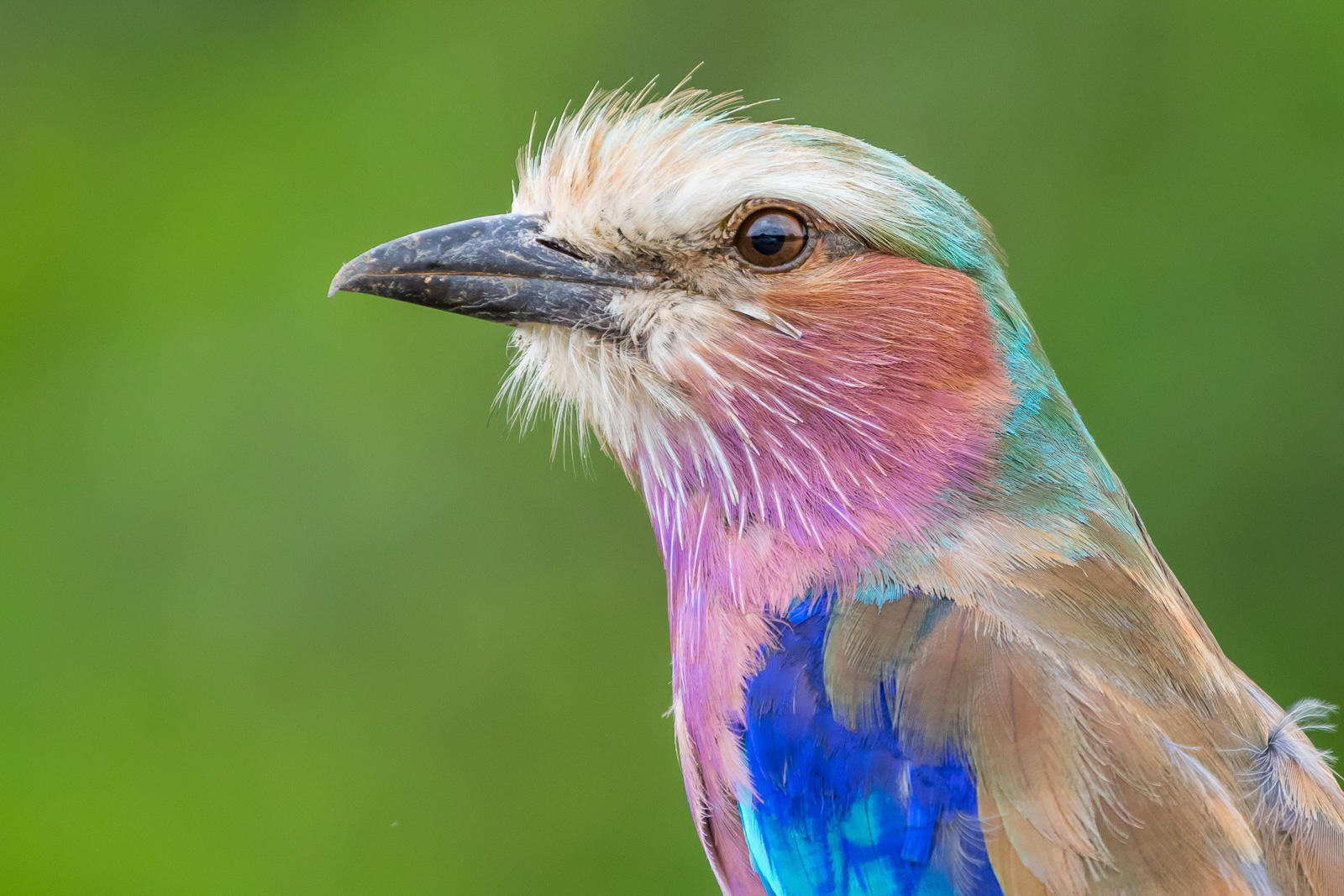
Bird photography is especially rewarding during this time, as many species display breeding colours and interesting behaviours.
So, is there a better time to visit Kruger?
Each season in Kruger has its advantages and disadvantages. If we must be honest, there is no bad season in Kruger! Our Kitted Africa guests have had equally amazing wildlife encounters and sightings during the winter and summer months. If you could visit Kruger more than once, we suggest you visit us during the summer and winter seasons to decide for yourself.

The Best Way to Explore Kruger in Summer:
A Self-Drive Safari
One of the greatest advantages of visiting the Kruger National Park is the ability to explore it on a self-drive safari. Unlike many safari destinations in Africa, Kruger allows visitors to drive themselves through the park at their own pace, stopping whenever wildlife appears and choosing the routes that interest them most.
During summer, this flexibility becomes especially valuable. Wildlife activity often changes with the weather and temperature, and being able to head out early in the morning or take advantage of cooler late afternoon drives gives you the best chances of memorable sightings.
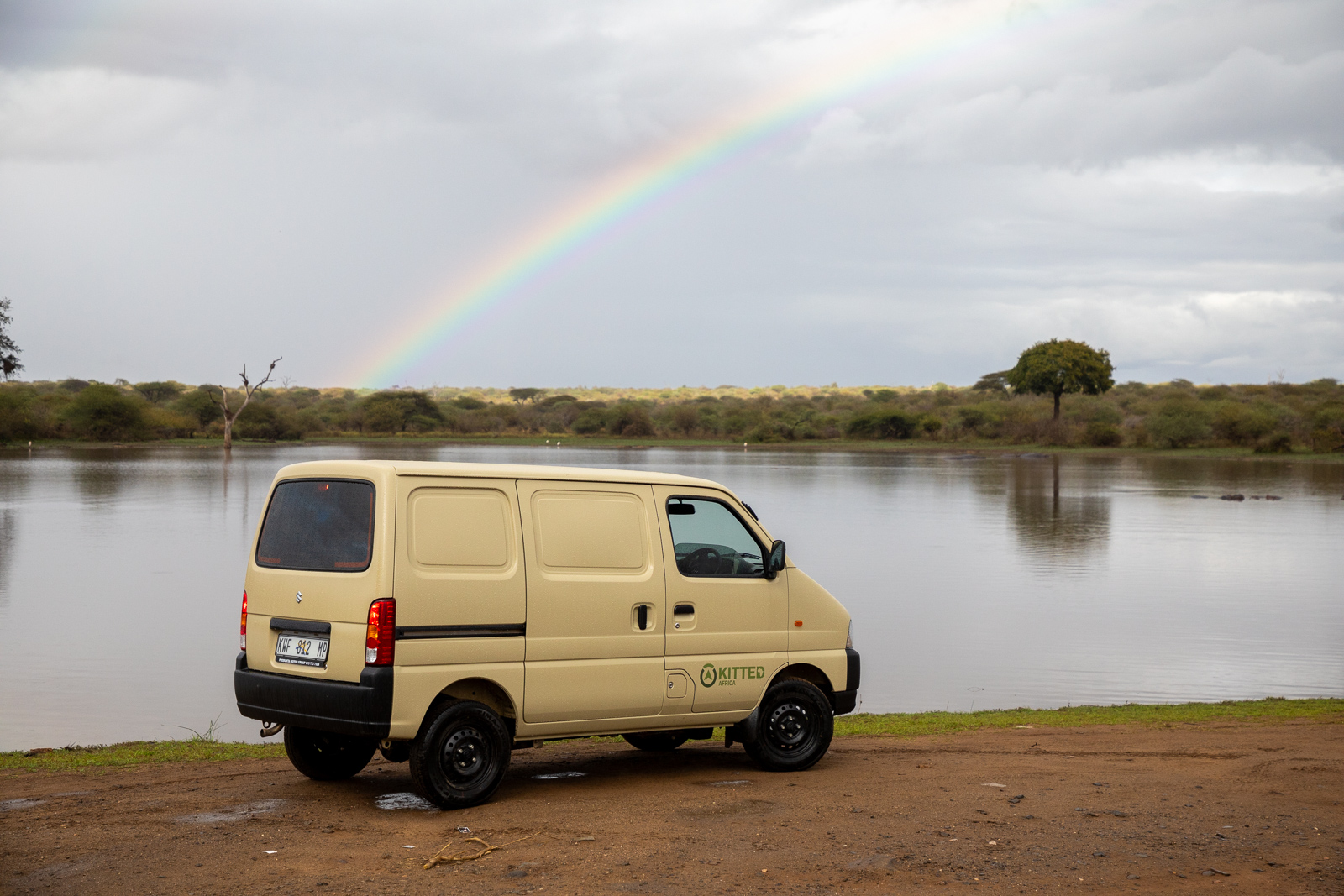
Having a comfortable vehicle also makes a big difference in summer conditions. Long game drives are far more enjoyable when you have cold drinks and snacks.
Many visitors also enjoy stopping at scenic picnic spots or shaded areas along the rivers during the day — one of the simple pleasures of a Kruger self-drive adventure.
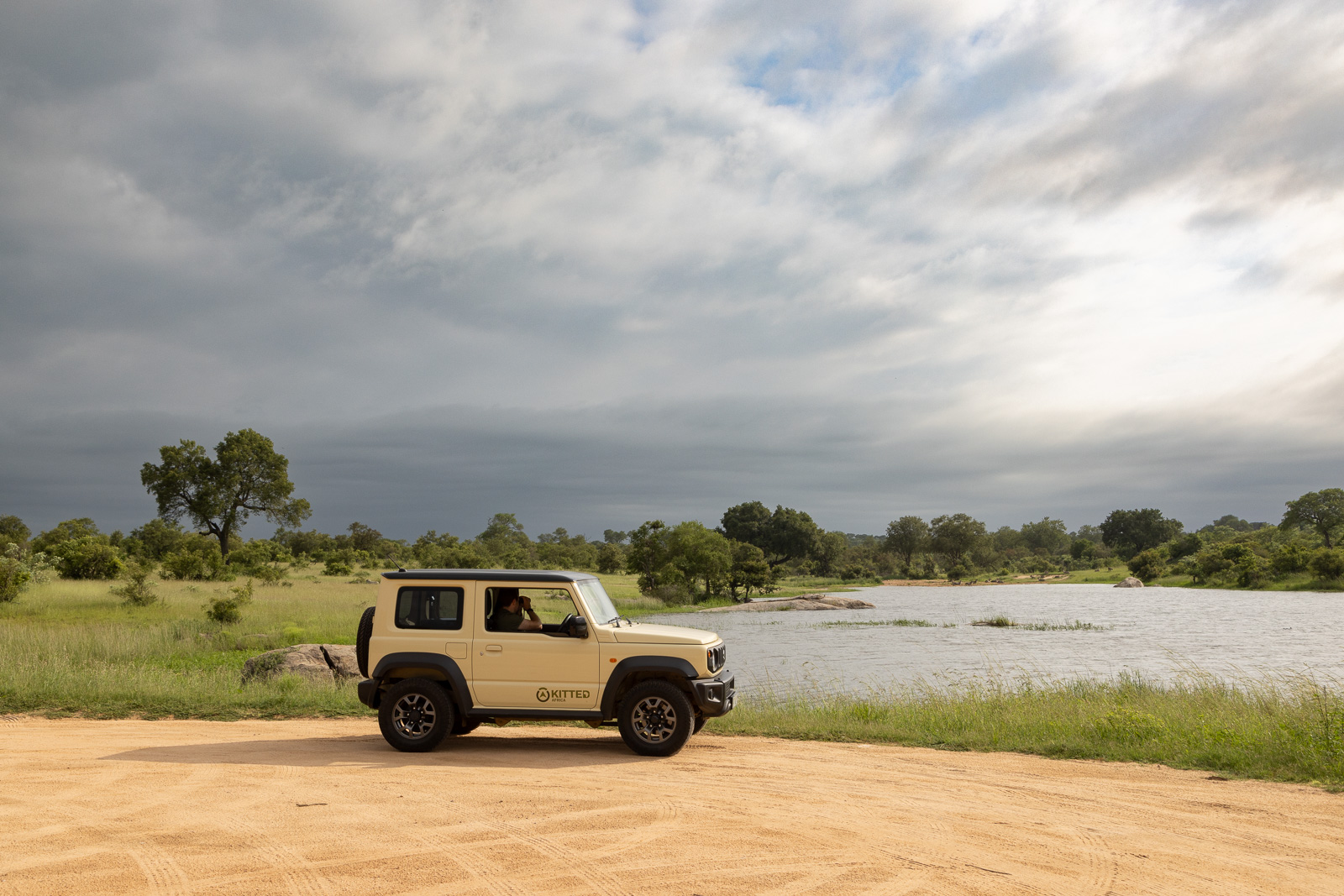
For travellers who enjoy camping, a fully equipped vehicle makes it easy to experience the bush in a more immersive way. For families or guests staying in bungalows, having useful extras like a fridge and picnic equipment adds comfort and convenience during long days in the park.
At Kitted Africa, we offer fully equipped vehicles designed specifically for Kruger adventures — from compact Suzuki Jimnys to camping vans and family vehicle – we can help you choose the right vehicle for your summer safari.

Frequently Asked Questions About Kruger in Summer
Is December a good time to visit Kruger National Park?
Yes. While summer is warmer and greener, it is also one of the most vibrant times in the park, with baby animals, active birdlife, and dramatic summer storms.
Does it rain all day in Kruger in summer?
Not always. Rain typically arrives as short afternoon showers or thunderstorms rather than all-day rain, often followed by cooler temperatures and beautiful skies. But there are the odd times when it can rain on-and-off for a day or two, but the beauty of this is that you get to spend a full day out on game drive!
Is wildlife harder to see in summer?
The bush is greener, which can make spotting animals slightly more challenging, but wildlife activity is still excellent and often very rewarding. Very often, predators are found in the road early in the mornings as they avoid the long, wet grass.
What is the best time of day for game drives in summer?
Early mornings and late afternoons are generally the most productive times for wildlife sightings.